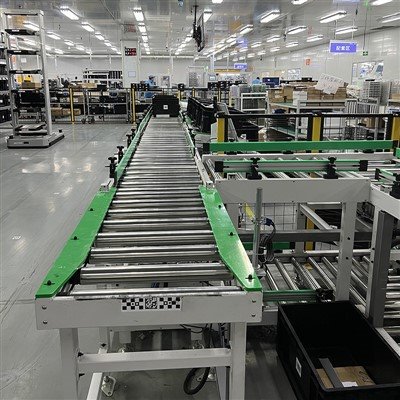


Can light - directed sorting sort transparent materials?
Light - directed sorting technology has been a revolutionary approach in the field of automated material handling. As a leading supplier of Light - directed Sorting, I am often asked about the capabilities of this technology, especially when it comes to sorting transparent materials. In this blog, we'll explore the potential and challenges of using light - directed sorting for transparent materials.
Understanding Light - directed Sorting
Light - directed sorting is a highly efficient method that uses light signals to guide the sorting process. It typically involves a system where lights are used to indicate the correct location for each item to be sorted. This technology has been widely adopted in various industries such as e - commerce, logistics, and manufacturing for sorting different types of products, from small parts to large packages.
The basic principle behind light - directed sorting is to simplify and speed up the sorting operation. Workers can quickly identify the destination of each item by following the illuminated lights, reducing the time spent on manual decision - making. This not only improves the accuracy of sorting but also significantly increases the overall throughput of the sorting system. For example, in a warehouse, Light - directed Picking can ensure that the right products are picked and sorted to the right orders, which is crucial for meeting customer demands in a timely manner.
The Characteristics of Transparent Materials
Transparent materials, such as glass, clear plastics, and some types of crystals, have unique optical properties. These materials allow light to pass through them, which makes them challenging to detect and sort using traditional visible light - based sorting methods. When light hits a transparent object, a significant portion of the light is transmitted, and only a small amount is reflected or absorbed. This can make it difficult for sensors to accurately identify the presence and position of transparent materials.
Another aspect to consider is the variability in transparency. Different types of transparent materials may have different levels of clarity, refractive indices, and colors. For instance, a clear glass bottle may have a higher transparency than a plastic film with some haze. These variations further complicate the sorting process, as the light - directed system needs to be able to distinguish between different types of transparent objects based on their specific characteristics.
Challenges in Sorting Transparent Materials with Light - directed Sorting
- Detection Difficulties: As mentioned earlier, the high transmissivity of transparent materials can lead to poor signal detection. Traditional light - based sensors rely on the reflection or absorption of light to detect objects. When dealing with transparent materials, the lack of a strong reflected signal can cause the sensor to miss the object or misinterpret its position.
- Refraction and Scattering: Transparent materials can refract and scatter light, which can distort the light signals used in the sorting system. For example, a curved glass surface can bend the light in unexpected ways, making it difficult for the sensor to accurately determine the shape and boundaries of the object. This can result in misclassification and incorrect sorting.
- Background Interference: Transparent objects can be easily confused with the background, especially if the background has a similar color or transparency. This is particularly problematic in sorting environments where there may be a lot of clutter or where the objects are placed close to each other. The light - directed system needs to be able to distinguish between the transparent material and the surrounding background, which can be a challenging task.
Potential Solutions for Sorting Transparent Materials
- Infrared and Ultraviolet Light: Instead of relying solely on visible light, using infrared (IR) or ultraviolet (UV) light can provide better results when sorting transparent materials. IR light has a longer wavelength and can penetrate through some transparent materials more effectively than visible light. UV light, on the other hand, can be absorbed or reflected differently by certain transparent materials, allowing for better detection and differentiation. For example, some plastics may fluoresce under UV light, making them easier to identify.
- Reflective Markings: Adding reflective markings to the transparent materials can enhance their detectability. These markings can be placed on the surface of the object in a way that is easy to detect by the light - directed system. For instance, a small reflective sticker can be attached to a glass bottle, which can reflect the light signal and make it easier for the sensor to recognize the object.
- Advanced Sensor Technologies: Newer sensor technologies, such as 3D vision sensors and laser scanners, can provide more detailed information about the shape and position of transparent objects. These sensors can capture the three - dimensional structure of the object, taking into account the refraction and scattering of light. By analyzing the 3D data, the light - directed system can more accurately identify and sort transparent materials.
Applications of Light - directed Sorting for Transparent Materials
- Recycling Industry: In the recycling industry, sorting transparent materials is a crucial step. Glass bottles, plastic containers, and other transparent materials need to be separated for proper recycling. Light - directed sorting, with the appropriate adaptations, can significantly improve the efficiency of this process. For example, it can quickly sort different types of clear plastics, such as PET and PVC, based on their material properties.
- Manufacturing: In manufacturing, transparent materials are often used in the production of products such as optical lenses, display screens, and packaging. Light - directed sorting can be used to ensure the quality control of these materials, by sorting out defective or misaligned parts. For instance, in a lens manufacturing plant, the system can sort lenses based on their optical clarity and curvature.
Our Company's Expertise in Light - directed Sorting for Transparent Materials
As a supplier of Light - directed Sorting solutions, we have been actively researching and developing technologies to overcome the challenges of sorting transparent materials. We have invested in the latest sensor technologies and have a team of experts who are dedicated to improving the performance of our sorting systems.
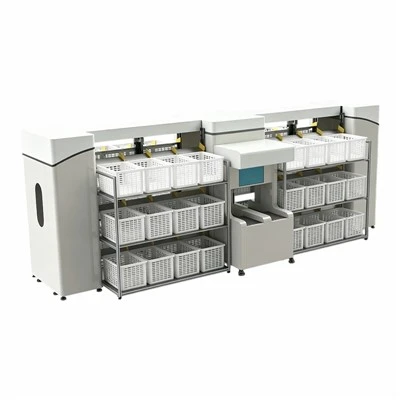
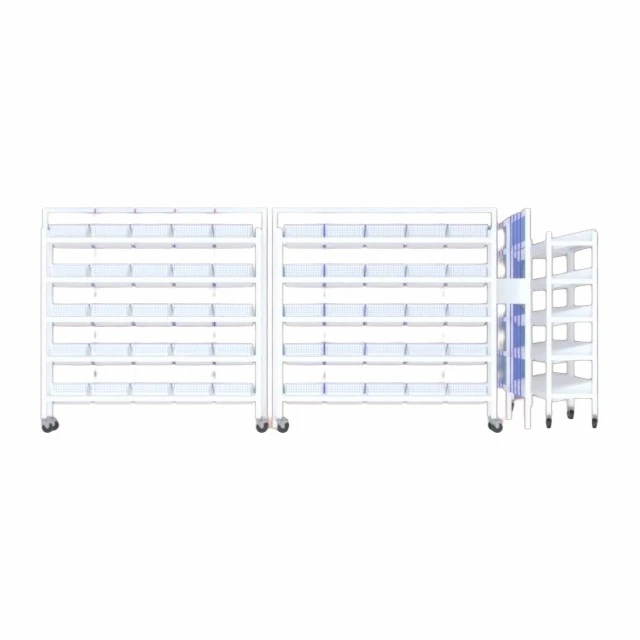
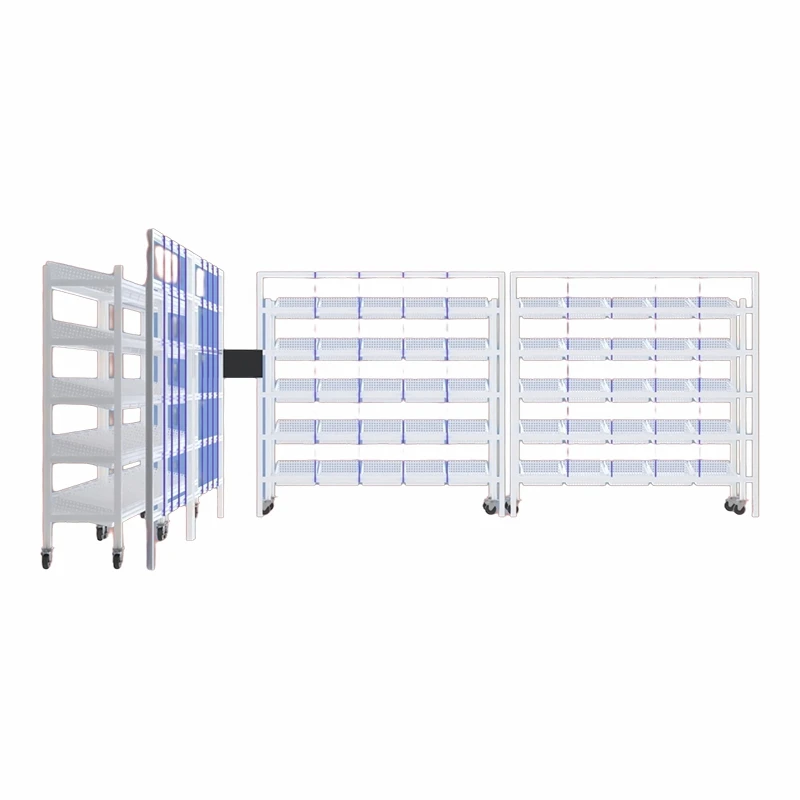
Our Full - automatic Light - directed Put - to - Light Wall is designed to handle a wide range of materials, including transparent ones. The system uses a combination of advanced sensors and intelligent algorithms to accurately detect and sort transparent objects. We also offer customized solutions to meet the specific needs of our customers, whether it's for a small - scale recycling facility or a large - scale manufacturing plant.
Contact Us for Your Sorting Needs
If you are looking for a reliable light - directed sorting solution for your transparent materials, we are here to help. Our team of professionals can provide you with in - depth consultations and support throughout the procurement process. Whether you need to upgrade your existing sorting system or implement a new one from scratch, we have the expertise and resources to ensure a successful project. Contact us today to start the discussion about your sorting requirements and let's work together to find the best solution for your business.
References
- "Automated Sorting Technologies in the Recycling Industry" by John Smith, Journal of Recycling Technology, 20XX
- "Advanced Sensor Applications for Transparent Material Detection" by Jane Doe, International Journal of Sensor Science, 20XX
- "Light - directed Sorting Systems: Principles and Applications" by Tom Brown, Industrial Automation Review, 20XX