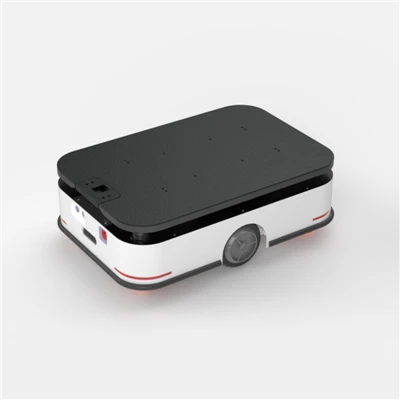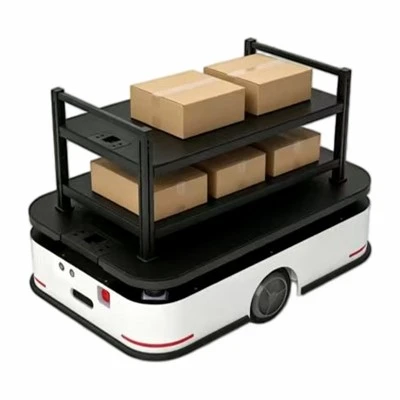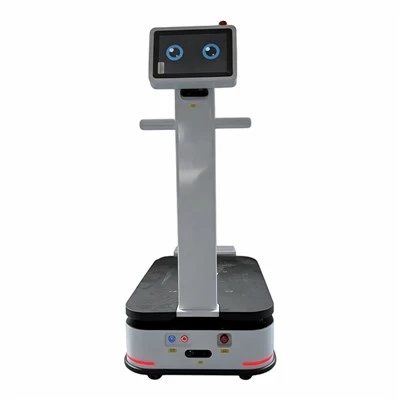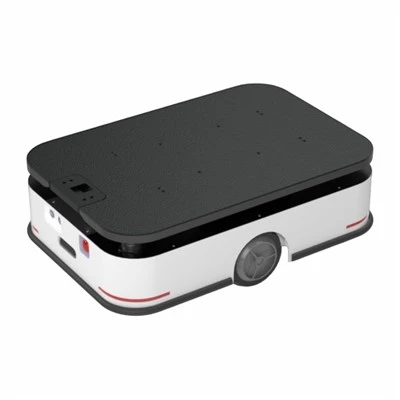

Autonomous mobile robots possess fundamental characteristics such as autonomy, perception, mobility, and intelligence. Autonomy is their most distinctive feature; these robots can independently perform path planning, task execution, and state adjustments based on preset goals and real-time environmental data, without the need for continuous human intervention. This capability enables them to independently carry out tasks-such as inspection, transportation, and service-within complex environments.
Perception serves as a crucial foundation for the intelligent behavior of autonomous mobile robots. Equipped with sensors such as LiDAR, cameras, and ultrasonic sensors, the robots capture real-time information about their surroundings, identifying and analyzing obstacles, target locations, and their own operational status. Through data fusion and information processing technologies, they accurately interpret environmental changes, providing a reliable basis for subsequent decision-making.
Autonomous mobile robots also demonstrate strong environmental adaptability and intelligent decision-making capabilities. During operation, they can adjust their movement strategies in response to environmental changes, enabling autonomous obstacle avoidance, path optimization, and task re-planning. Furthermore, with the advancement of artificial intelligence, modern autonomous mobile robots are increasingly capable of learning and optimization; they continuously improve operational efficiency and execution precision, thereby meeting the demands of sectors such as industrial production, logistics, healthcare services, and public safety.