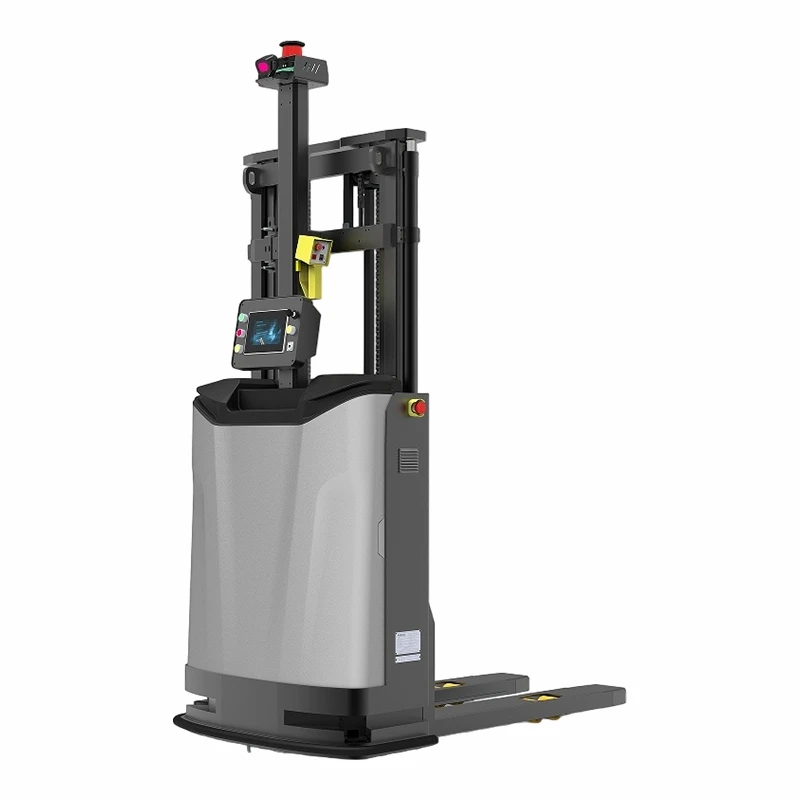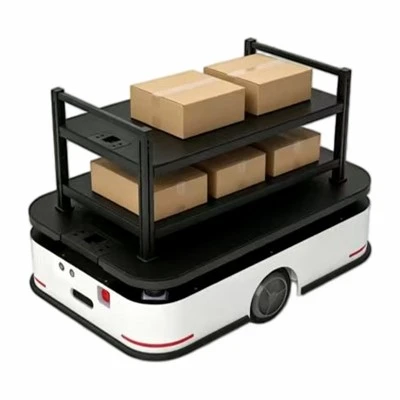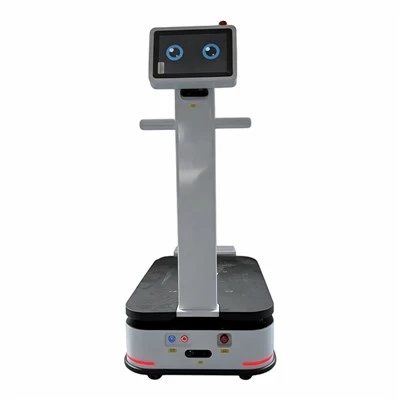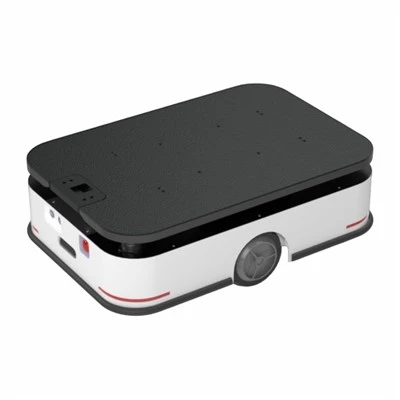

The design of automated pallet trucks centers on functionality, safety, reliability, and environmental adaptability-factors that underpin stable and efficient operation. The overall design requires a comprehensive assessment of load capacity, operating environments, operational workflows, and system integration needs to establish appropriate structural and control configurations.
Mechanical design focuses primarily on the strength and stability of the vehicle body. The chassis must possess sufficient rigidity to withstand the weight of a full load and the dynamic impact forces encountered during operation. Furthermore, the design of the forks, mast, and lifting mechanism must accommodate various racking heights while ensuring smooth lifting and precise positioning. The vehicle's center of gravity must also be strategically distributed to enhance operational safety.
Regarding motion and control, the integration of the drive and control systems is critical. Drive mechanisms-such as differential drive or steering-wheel drive-must be selected based on the specific application scenario to meet requirements for turning radii and maneuverability. The control system manages path planning, speed regulation, and task execution; it requires robust real-time responsiveness to ensure stable operation within complex environments.
Perception and safety designs must incorporate multiple sensors-such as LiDAR, cameras, and ultrasonic sensors-to enable environmental awareness and obstacle detection. Comprehensive safety mechanisms, including emergency stops, collision avoidance systems, and alarms, are essential to ensure safety in environments where humans and machines operate together. Through the holistic optimization of these design elements, the overall performance and operational effectiveness of the automated pallet truck can be significantly enhanced.