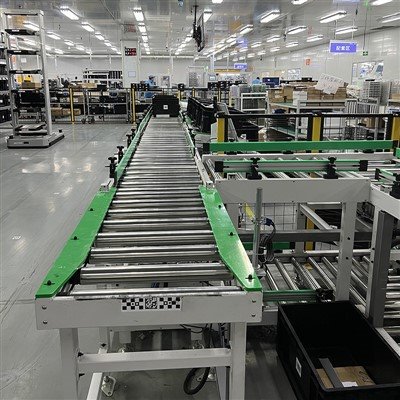


In modern warehousing and logistics operations, single mast stacker cranes play a crucial role in enhancing efficiency and optimizing space utilization. As a trusted supplier of Single Mast Stacker Cranes, I understand the importance of safe operation. This blog will provide comprehensive guidance on how to operate a single mast stacker crane safely, ensuring the well - being of operators and the smooth running of your warehouse.
Pre - operation Checks
Before starting the single mast stacker crane, a series of pre - operation checks are essential. First, visually inspect the crane's overall structure. Look for any signs of damage such as cracks, dents, or loose parts on the mast, frame, and forks. A damaged structure can compromise the crane's stability and lead to accidents during operation. For example, if there is a crack in the mast, it may not be able to support the load properly, causing the crane to tip over.
Next, check the electrical system. Ensure that all cables are intact, without any signs of fraying or exposed wires. Faulty electrical systems can not only cause the crane to malfunction but also pose a significant electrical hazard to the operator. Test all the control buttons and switches to make sure they are working correctly. If a button is stuck or unresponsive, it should be repaired or replaced immediately.
The hydraulic system also requires careful inspection. Check the hydraulic fluid level. Low fluid levels can lead to reduced lifting capacity and damage to the hydraulic components. Look for any signs of leaks around the hydraulic cylinders, hoses, and connections. Leaking hydraulic fluid not only wastes resources but can also create a slippery surface, increasing the risk of slips and falls.
Operator Training
Proper operator training is the cornerstone of safe single mast stacker crane operation. Operators should receive comprehensive training on the crane's functions, controls, safety features, and emergency procedures. Training should cover both theoretical knowledge and practical hands - on experience.
Theoretical training should include an understanding of the crane's technical specifications, such as its maximum lifting capacity, lifting height, and operating speed. Operators need to know the limitations of the crane to avoid overloading or over - speeding, which can lead to accidents. They should also learn about the different types of loads the crane can handle and how to properly secure the load to prevent it from shifting during lifting and transportation.
Practical training allows operators to gain real - world experience in operating the crane. They should practice basic maneuvers such as lifting, lowering, and moving the crane in a controlled environment. Training should also include scenarios for dealing with emergencies, such as power failures or sudden equipment malfunctions.
Load Handling
Safe load handling is critical when operating a single mast stacker crane. First, determine the weight of the load accurately. Overloading the crane is one of the most common causes of accidents. Use a reliable weighing device to measure the load before lifting. If the load exceeds the crane's maximum lifting capacity, do not attempt to lift it.
Proper load placement is also crucial. Center the load on the forks to ensure balanced weight distribution. An unevenly placed load can cause the crane to tip over or the load to fall off during operation. Secure the load with appropriate restraints, such as straps or chains, especially when handling irregularly shaped or unstable loads.
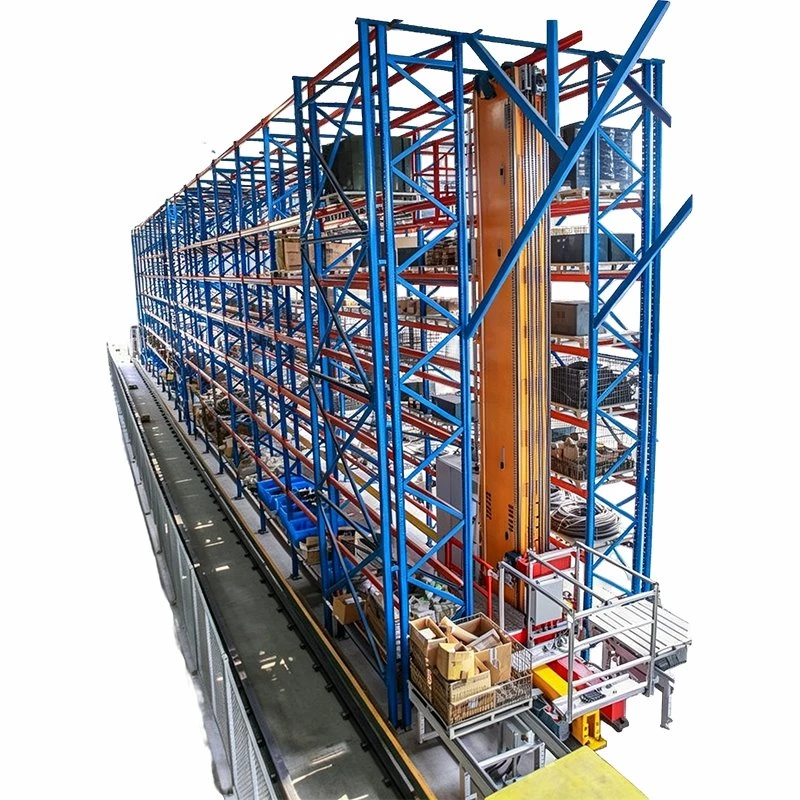
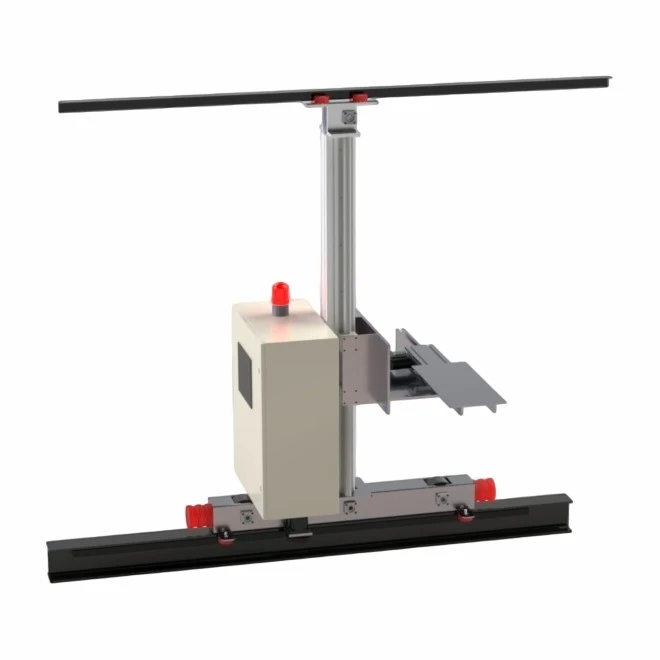
When lifting the load, do it slowly and smoothly. Sudden movements can cause the load to swing, increasing the risk of collisions or the load falling. Maintain a safe distance from other objects and personnel in the warehouse while moving the loaded crane.
Operating Environment
The operating environment of the single mast stacker crane can significantly affect its safe operation. The warehouse floor should be flat, clean, and free of debris. Uneven floors can cause the crane to tilt, while debris can get stuck in the wheels or tracks, affecting the crane's movement.
Keep the working area well - lit. Good visibility is essential for the operator to accurately position the crane and handle the load. Install proper lighting fixtures in the warehouse, especially in areas where the crane operates frequently.
Maintain a clear aisle for the crane to move. Remove any obstacles or clutter from the aisles to prevent collisions. Mark the aisles clearly to guide the operator and ensure that other personnel in the warehouse are aware of the crane's path.
Maintenance and Inspection
Regular maintenance and inspection are necessary to keep the single mast stacker crane in good working condition. Establish a maintenance schedule and follow it strictly. This should include daily, weekly, monthly, and annual maintenance tasks.
Daily maintenance tasks may include cleaning the crane, checking the tire pressure (if applicable), and lubricating moving parts. Weekly maintenance can involve more in - depth checks, such as inspecting the brakes, chains, and belts. Monthly maintenance may require checking the electrical and hydraulic systems in more detail, while annual maintenance can involve a comprehensive overhaul of the crane.
In addition to regular maintenance, conduct periodic inspections by qualified technicians. These inspections can identify potential problems before they become serious safety hazards. The technicians can use specialized tools and equipment to test the crane's performance and ensure that all safety features are functioning properly.
Emergency Procedures
Despite taking all the necessary precautions, emergencies can still occur during single mast stacker crane operation. It is essential to have a well - defined emergency plan in place.
In case of a power failure, the operator should immediately stop the crane and engage the emergency brake to prevent the load from falling. If there is a fire, the operator should follow the warehouse's fire - safety procedures, such as evacuating the area and using fire extinguishers if it is safe to do so.
In the event of a mechanical failure, the operator should not attempt to repair the crane themselves. Instead, they should notify the maintenance department or a qualified technician immediately. The area around the malfunctioning crane should be cordoned off to prevent unauthorized access.
Related Products
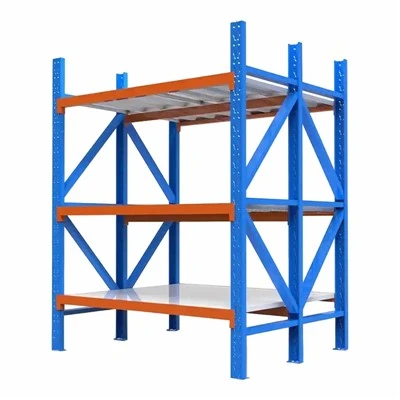
As a single mast stacker crane supplier, we also offer a range of related products to meet your different warehousing needs. You may be interested in our Mini Load Stacker Crane, which is suitable for handling small - sized loads in a high - density storage environment. Our Stacker Crane Racking provides a stable and efficient storage solution for the stacker crane. If you need a more heavy - duty option, our Double Mast Stacker Crane offers higher lifting capacity and better stability. And for general warehouse storage, our Warehouse Storage Rack can optimize your warehouse space.
Conclusion
Operating a single mast stacker crane safely requires a combination of proper pre - operation checks, well - trained operators, safe load handling, a suitable operating environment, regular maintenance, and clear emergency procedures. By following these guidelines, you can minimize the risk of accidents and ensure the smooth and efficient operation of your warehouse.
If you are interested in our Single Mast Stacker Cranes or other related products, we welcome you to contact us for procurement and further discussion. We are committed to providing high - quality products and professional services to meet your warehousing needs.
References
- Industry safety standards for stacker cranes
- Manufacturer's operation manual for single mast stacker cranes
- Research papers on warehouse equipment safety