

How to protect a single mast stacker crane from bad weather outdoors?
As a supplier of Single Mast Stacker Cranes, I understand the challenges that come with operating these valuable pieces of equipment outdoors. Bad weather conditions can pose significant risks to the performance, lifespan, and safety of single mast stacker cranes. Therefore, it is crucial to implement effective protection measures to ensure their optimal functionality and longevity. In this blog post, I will share some practical tips on how to protect a single mast stacker crane from bad weather outdoors.
Understanding the Risks Posed by Bad Weather
Before delving into the protection strategies, it is important to understand the various risks that bad weather can bring to a single mast stacker crane. Different weather conditions can have different impacts on the crane's components and overall performance.
- Rain and Moisture: Rainwater can seep into the crane's electrical components, causing short - circuits and corrosion. Moisture can also rust the metal parts of the crane, weakening its structural integrity over time.
- High Winds: Strong winds can exert significant lateral forces on the crane, potentially causing it to tip over or lose stability. High winds can also damage the crane's moving parts and the load it is carrying.
- Extreme Temperatures: Both extreme heat and cold can affect the crane's performance. In hot weather, the lubricants in the crane's moving parts can thin out, leading to increased friction and wear. In cold weather, the metal parts can become brittle, and the hydraulic fluids may thicken, reducing the crane's efficiency.
- Snow and Ice: Snow accumulation can add extra weight to the crane, increasing the risk of structural damage. Ice can form on the crane's tracks, wheels, and other moving parts, hindering its operation and causing mechanical failures.
Protection Strategies
1. Shelter Installation
One of the most effective ways to protect a single mast stacker crane from bad weather is to install a proper shelter. A well - designed shelter can shield the crane from rain, snow, direct sunlight, and high winds.
- Types of Shelters: There are various types of shelters available, such as steel - framed shelters, fabric - covered shelters, and pre - fabricated buildings. Steel - framed shelters are durable and can withstand strong winds and heavy snow loads. Fabric - covered shelters are more cost - effective and can be quickly installed. Pre - fabricated buildings offer a high level of protection and can be customized to meet the specific needs of the crane.
- Location and Design: The shelter should be located in an area that is away from potential hazards, such as tall trees or power lines. It should also be designed to allow easy access for maintenance and operation of the crane. The shelter's dimensions should be large enough to accommodate the crane with some extra space for maneuvering.
2. Weatherproofing the Crane
In addition to a shelter, it is important to weatherproof the crane itself. This can involve taking several steps to protect its components from the elements.
- Sealing Electrical Components: Electrical components are particularly vulnerable to moisture. Use high - quality seals and gaskets to prevent water from entering the control panels, motors, and other electrical parts. Regularly inspect the seals for any signs of damage or wear and replace them as necessary.
- Applying Protective Coatings: Apply a corrosion - resistant coating to the metal parts of the crane. This can help prevent rust and extend the lifespan of the crane. There are different types of coatings available, such as epoxy coatings and powder coatings. Choose a coating that is suitable for outdoor use and can withstand the specific weather conditions in your area.
- Protecting Moving Parts: Lubricate the moving parts of the crane regularly with a weather - resistant lubricant. This will help reduce friction and prevent corrosion. In addition, consider using covers or shields to protect the chains, gears, and other exposed moving parts from dirt, debris, and moisture.
3. Regular Maintenance and Inspections
Regular maintenance and inspections are essential for keeping the single mast stacker crane in good condition, especially when it is exposed to bad weather.
- Pre - and Post - Weather Checks: Before a severe weather event, such as a storm or a heavy snowfall, conduct a thorough inspection of the crane. Check for any loose parts, damaged cables, or signs of wear. After the weather event has passed, inspect the crane again to ensure that it has not suffered any damage.
- Scheduled Maintenance: Follow a regular maintenance schedule to keep the crane in optimal condition. This can include tasks such as checking the hydraulic system, inspecting the brakes, and tightening the bolts and nuts. Regular maintenance can help identify and address potential problems before they become serious.
4. Monitoring and Alarms
Install a monitoring system to keep track of the crane's performance and the weather conditions. This can include sensors that measure wind speed, temperature, and humidity.
- Weather Alerts: Set up weather alerts so that you can be notified in advance of any impending bad weather. This will give you time to take appropriate protective measures, such as moving the crane to a shelter or securing it in place.
- Performance Monitoring: Monitor the crane's performance indicators, such as load capacity, operating speed, and power consumption. Any sudden changes in these indicators can be a sign of a problem, especially if it is related to bad weather - induced damage.
Additional Resources
If you are interested in learning more about stacker cranes and storage systems, you can visit the following links:
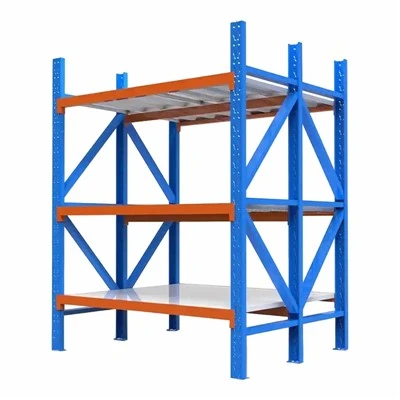
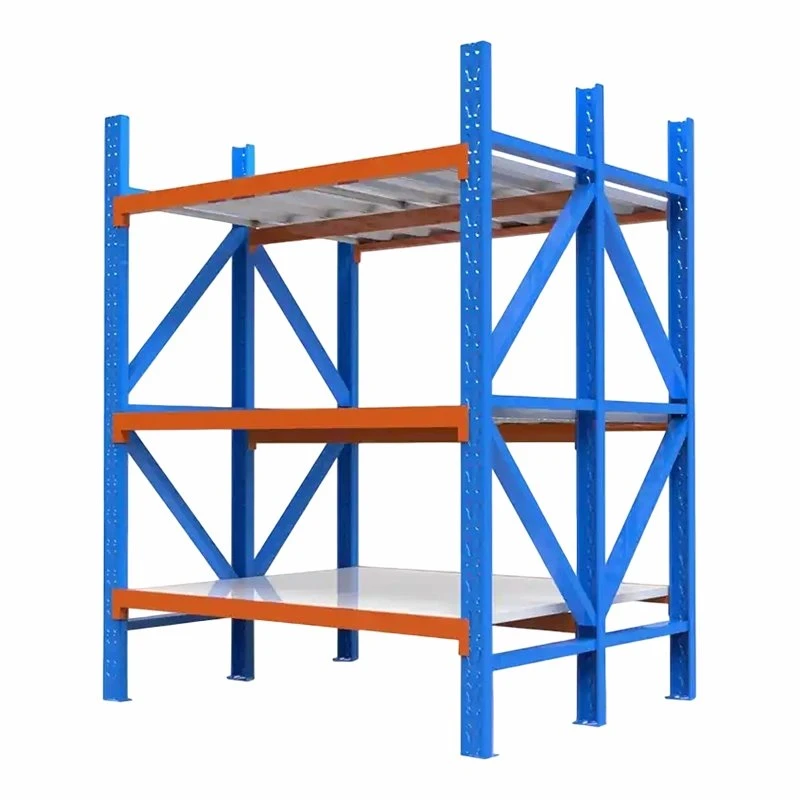
- Warehouse Storage Rack: This link provides information on various types of warehouse storage racks, which can be used in conjunction with single mast stacker cranes.
- Double Mast Stacker Crane: Explore the features and benefits of double mast stacker cranes, which may be suitable for different storage requirements.
- Stacker Crane Racking: Learn about stacker crane racking systems and how they can optimize your storage space.
- Mini Load Stacker Crane: Discover the applications and advantages of mini load stacker cranes.
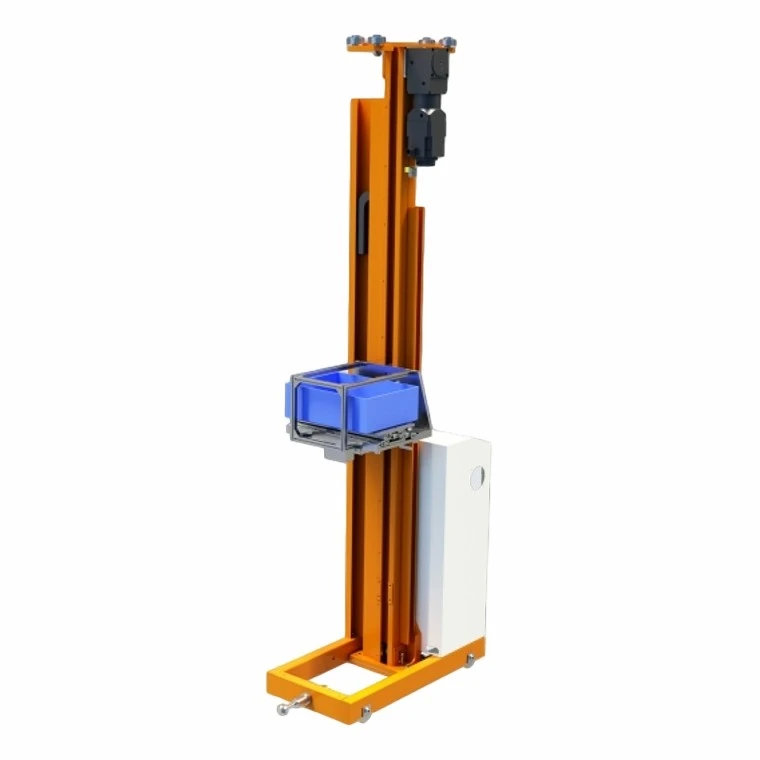
- Single Mast Stacker Crane: For detailed information about our single mast stacker cranes, this link is your go - to resource.
Conclusion
Protecting a single mast stacker crane from bad weather outdoors is a complex but necessary task. By installing a shelter, weatherproofing the crane, conducting regular maintenance and inspections, and using monitoring systems, you can significantly reduce the risks associated with bad weather and ensure the long - term performance and reliability of the crane.
As a supplier of Single Mast Stacker Cranes, we are committed to providing high - quality products and professional advice to meet your storage needs. If you are interested in purchasing a single mast stacker crane or need further guidance on protecting it from bad weather, please feel free to contact us. Our team of experts is ready to assist you in making the right decisions for your business.
References
- Crane Manufacturer's Manuals
- Industry Standards for Outdoor Crane Protection
- Research on the Effects of Weather on Industrial Equipment