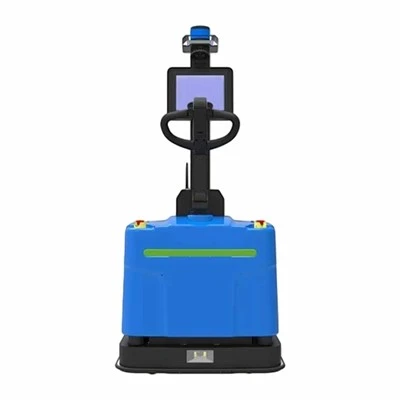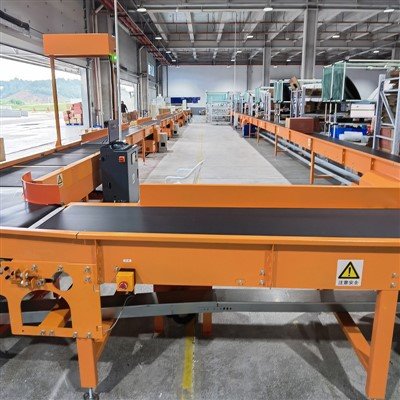


Hey there! As a supplier of automated sorting systems, I often get asked about the error rate of these systems. It's a crucial question because the error rate can significantly impact the efficiency and cost - effectiveness of any operation that relies on automated sorting.
Let's first understand what we mean by the error rate in an automated sorting system. The error rate refers to the percentage of items that are sorted incorrectly compared to the total number of items sorted. For example, if an automated sorting system processes 1000 items and 10 of them are sorted to the wrong location, the error rate is 1% (10/1000 * 100).
There are several factors that can contribute to the error rate of an automated sorting system. One of the main factors is the quality of the input data. If the barcodes or RFID tags on the items are damaged, smudged, or have incorrect information, the system may misread them and sort the items incorrectly. Another factor is the complexity of the sorting task. For instance, if there are a large number of sorting destinations or if the items have irregular shapes and sizes, it can increase the chances of errors.
The technology used in the automated sorting system also plays a huge role. Different types of automated sorting systems have different levels of accuracy. For example, Light - directed Picking is a popular method that uses lights to guide workers to pick items. This system has a relatively low error rate because the visual cues are clear and easy to follow. Workers are alerted exactly where to pick the item from, reducing the chances of picking the wrong one.
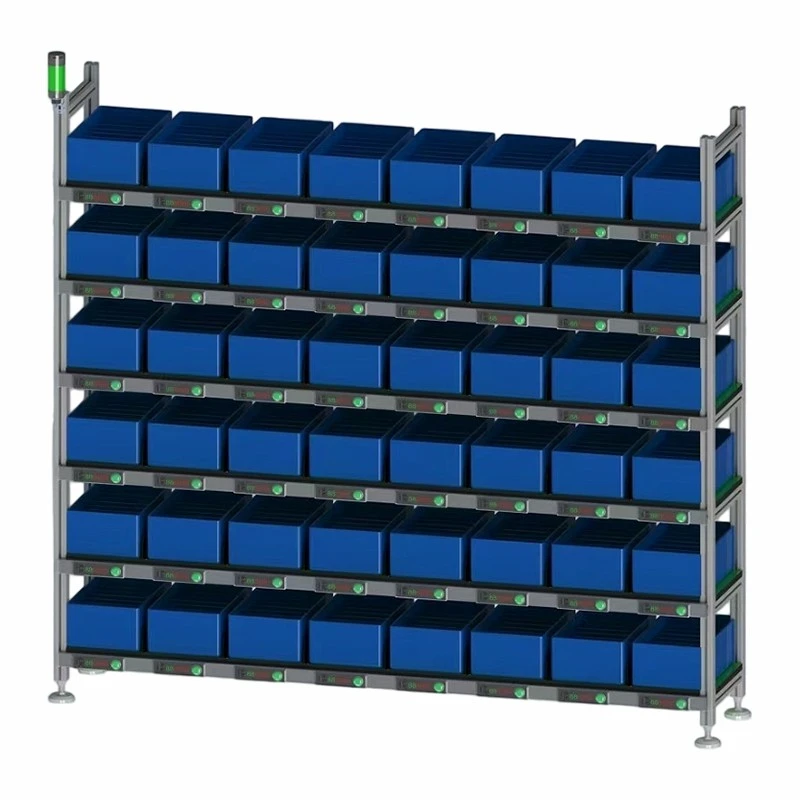
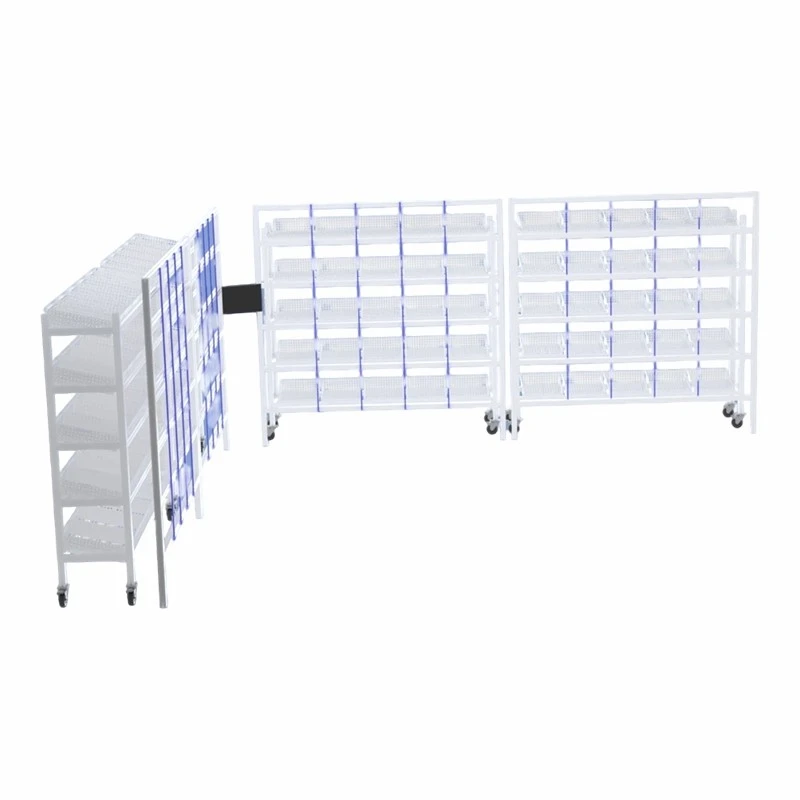
Light - directed Sorting is another technology that can achieve a high level of accuracy. In this system, lights are used to direct the sorting process. The system indicates where each item should be sorted to, and the operators simply follow the light signals. This reduces human error and ensures that items are sorted efficiently.
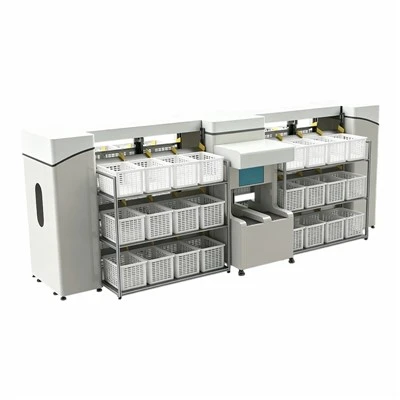
Our Full - automatic Light - directed Put - to - Light Wall is a state - of - the - art solution. It combines the benefits of light - directed technology with full automation. The system can handle a large volume of items with a very low error rate. The put - to - light concept allows for quick and accurate sorting, as the lights on the wall show exactly where each item should be placed.
In general, modern automated sorting systems can achieve error rates as low as 0.1% to 1%. However, this can vary depending on the factors mentioned above. In a well - maintained and optimized system with high - quality input data and a relatively simple sorting task, the error rate can be on the lower end of this range. On the other hand, if the system is dealing with challenging conditions, such as a large number of different item types or poor barcode quality, the error rate may be higher.
To keep the error rate low, regular maintenance and calibration of the system are essential. This includes cleaning the scanners and sensors, checking the mechanical components for wear and tear, and updating the software to ensure that it can handle any new types of items or sorting requirements.
Training of the operators is also vital. Even in highly automated systems, human operators are often involved in some stage of the process. Proper training ensures that they understand how to use the system correctly and can quickly identify and correct any potential errors.
Another strategy to reduce the error rate is to implement quality control measures. This can involve double - checking the sorted items at certain intervals or using additional sensors to verify the sorting results. By catching errors early, the system can correct them before they cause significant problems.
So, why should you care about the error rate of an automated sorting system? Well, a high error rate can lead to a lot of issues. It can result in wasted time and resources as items need to be re - sorted. It can also lead to customer dissatisfaction if incorrect items are shipped. On the other hand, a low error rate means increased efficiency, reduced costs, and improved customer satisfaction.
If you're in the market for an automated sorting system, I highly recommend considering our products. We've been in the business for a long time and have a proven track record of providing high - quality, low - error - rate sorting solutions. Whether you're running a small warehouse or a large distribution center, our systems can be customized to meet your specific needs.
If you're interested in learning more about our automated sorting systems or want to discuss your requirements in detail, feel free to reach out to us. We're always happy to have a chat and help you find the best solution for your business.
References
- Industry reports on automated sorting systems
- Internal research and development data from our company
- Case studies of successful implementations of automated sorting systems