


Are there any international standards for single mast stacker cranes? Well, that's a question I often get asked as a supplier of Single Mast Stacker Crane. In this blog, I'm gonna dive into this topic, explore the current situation of international standards, and share some insights from my experience in the industry.
An Introduction to Single Mast Stacker Cranes
Let's start by giving you a quick rundown of what single mast stacker cranes are. These machines are a key part of automated storage and retrieval systems (AS/RS). They're designed to move, store, and retrieve goods in warehouses efficiently. Unlike their Double Mast Stacker Crane counterparts, single mast stacker cranes have one vertical mast, which makes them more lightweight and suitable for certain warehouse layouts, especially those with limited space.
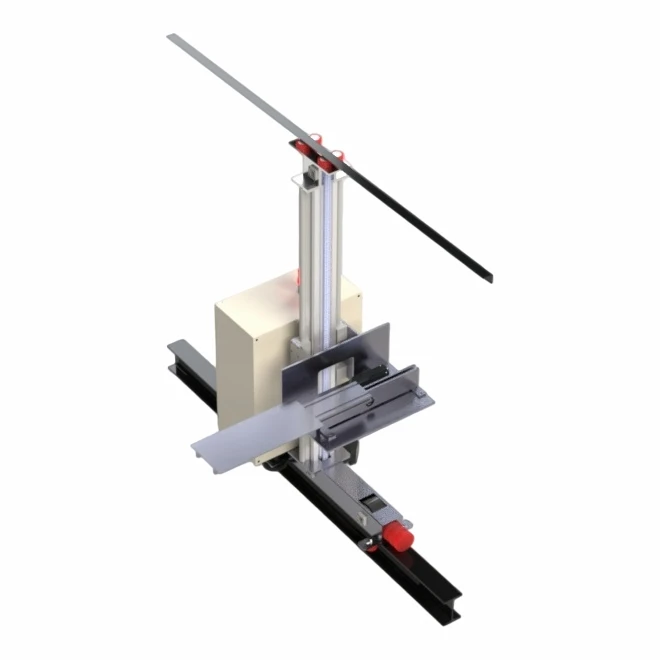
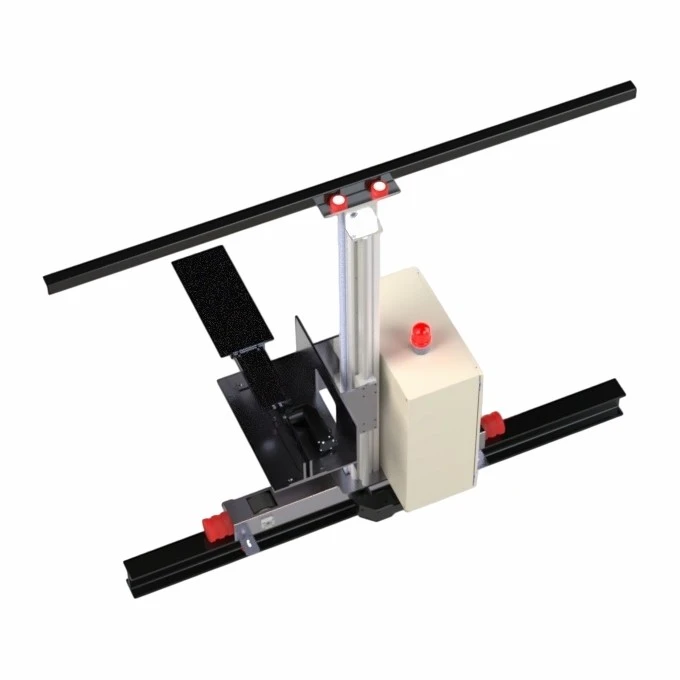
The main components of a single mast stacker crane include the mast, the carriage that moves up and down the mast, and the forks or grippers used to handle the loads. They can operate in narrow aisles, reaching high storage racks, and are often used in industries like logistics, manufacturing, and distribution.
The Need for International Standards
Now, you might be wondering why we even need international standards for single mast stacker cranes. Well, there are several good reasons. First of all, standards ensure safety. When it comes to operating these powerful machines in a busy warehouse environment, safety is a top priority. International standards can set guidelines for things like structural integrity, load capacity, and the installation of safety devices such as anti-collision systems and emergency stops.
Secondly, standards promote interoperability. In today's global market, warehouses often use equipment from different manufacturers. Having international standards means that these different pieces of equipment can work together seamlessly. For example, a single mast stacker crane from one supplier should be able to interface with Warehouse Storage Rack systems from another without any major compatibility issues.
Finally, standards can also improve the quality and reliability of single mast stacker cranes. By setting minimum requirements for design, manufacturing, and testing, standards can help ensure that all cranes on the market meet a certain level of performance.
Current International Standards
So, are there any international standards for single mast stacker cranes? The answer is yes, but it's a bit more complicated than that. There isn't a single, all - encompassing standard specifically for single mast stacker cranes. However, there are several relevant international standards that cover aspects of their design, operation, and safety.
One of the most well - known standards is ISO 4301 - 1:2016, which is part of a series of standards related to cranes. This standard provides general design rules for cranes, including requirements for load capacity, stability, and structural design. While it doesn't focus specifically on single mast stacker cranes, it does set some fundamental principles that apply to all types of cranes.
Another important standard is ISO 12482:2018, which is about safety requirements for automated storage and retrieval systems. Since single mast stacker cranes are a key component of AS/RS, this standard is highly relevant. It covers areas such as safety distances, protection against falling loads, and the design of control systems to prevent accidents.
In addition to these ISO standards, there are also regional and national standards that may apply. For example, in Europe, the Machinery Directive 2006/42/EC sets out safety requirements for machinery, including stacker cranes. And in the United States, the Occupational Safety and Health Administration (OSHA) has regulations related to crane safety.
Challenges in Implementing Standards
While having international standards is great in theory, there are some challenges in implementing them. One of the big challenges is the difference in interpretation of these standards. Different countries and regions may have their own ways of understanding and applying the standards, which can lead to confusion for manufacturers and users.
Another challenge is the cost of compliance. Meeting international standards often requires additional investment in research, development, and testing. This can be a significant burden for smaller manufacturers, and it may also lead to higher prices for the end - users.
Moreover, the rapid pace of technological innovation in the field of single mast stacker cranes can outpace the development of standards. New features and technologies such as advanced automation, artificial intelligence, and IoT integration are constantly being introduced, and it can be difficult for standards bodies to keep up.
Our Experience as a Supplier
As a supplier of single mast stacker cranes, we take international standards very seriously. We make sure that all our products comply with relevant ISO standards and regional regulations. We also work closely with our customers to understand their specific requirements and ensure that our cranes can be integrated into their existing warehouse systems.
We've found that by adhering to international standards, we can not only provide a safer and more reliable product but also gain the trust of our customers. Many of our clients, especially those with international operations, prefer to work with suppliers who follow international standards.
In addition to compliance, we also focus on innovation. We're constantly looking for ways to improve the performance and efficiency of our single mast stacker cranes. For example, we're exploring the use of new materials to make our cranes lighter and more energy - efficient, and we're also developing advanced control systems to enhance the automation capabilities.
Other Related Equipment
Single mast stacker cranes are often used in conjunction with other types of equipment in a warehouse. For instance, Stacker Crane Racking is designed specifically to work with stacker cranes, providing a stable and efficient storage solution. And Mini Load Stacker Crane can be used for handling smaller loads in a more compact warehouse environment.
Conclusion and Call to Action
In conclusion, while there isn't a single international standard specifically for single mast stacker cranes, there are several relevant standards that ensure safety, interoperability, and quality. As a supplier, we're committed to following these standards and providing the best possible products to our customers.
If you're in the market for a single mast stacker crane or any related equipment, we'd love to hear from you. Whether you have questions about our products, need help with system design, or want to discuss a potential project, don't hesitate to reach out. We're here to help you find the right solution for your warehouse.
References
- ISO 4301 - 1:2016, Cranes – Classification – Part 1: General
- ISO 12482:2018, Automated storage and retrieval systems (AS/RS) in warehouses — Safety requirements
- Machinery Directive 2006/42/EC
- Occupational Safety and Health Administration (OSHA) regulations related to crane safety