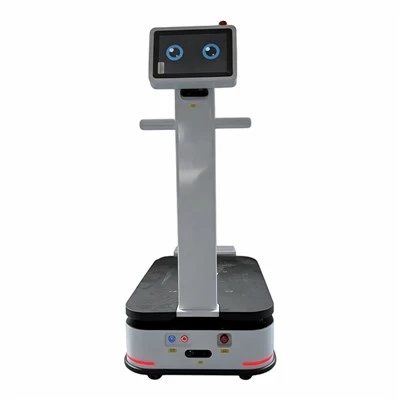

The maintenance of automated pallet trucks is crucial for ensuring long-term, stable operation and encompasses daily inspections, periodic servicing, and the maintenance of key components. Before daily use, a basic inspection should be conducted-covering battery levels, the condition of the forks, tire wear, and sensor functionality-to ensure the equipment is safe for operation.
During operation, attention should be focused on the equipment's performance and any signs of abnormality. For instance, operators should observe whether the truck moves smoothly, the lifting mechanism operates without obstruction, and there are any unusual noises or warning alerts. If an operational anomaly is detected, the equipment must be stopped immediately for troubleshooting to prevent the issue from escalating or creating safety hazards.
Periodic maintenance involves inspecting and servicing critical components-such as the drive motor, reduction gear, hydraulic system, and transmission assembly-based on usage frequency. Lubrication or the replacement of worn parts should be performed as necessary to minimize mechanical wear and extend the equipment's service life. Additionally, the battery system's performance should be monitored to prevent issues such as overcharging, over-discharging, or capacity degradation.
Perception components, such as LiDAR units and cameras, require regular cleaning to prevent dust or grime from compromising detection accuracy; furthermore, system software should be updated and calibrated to ensure precise navigation and control. Standardized maintenance management effectively enhances the reliability and overall operational efficiency of automated pallet trucks.