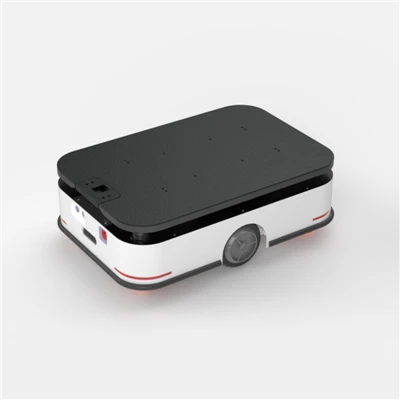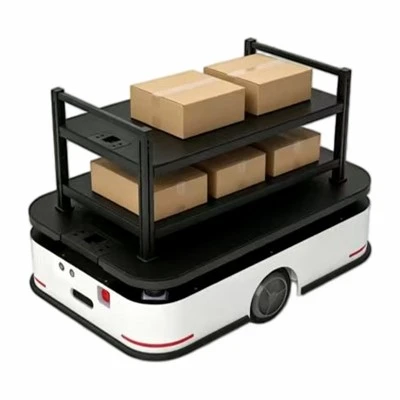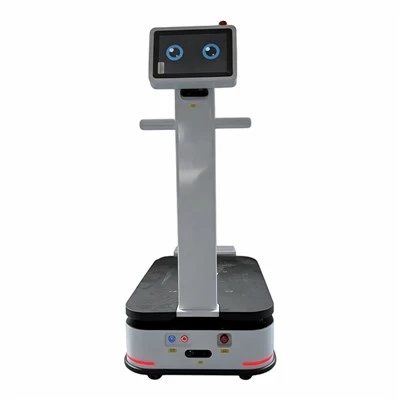

Before using an autonomous mobile robot, conduct a comprehensive inspection to ensure the robot unit, sensors, power system, and communication modules are functioning correctly. Verify that the operating environment meets requirements, clear any obstacles that could impede the robot's movement, and confirm that navigation maps and task parameters are correctly configured. Only start the equipment after these checks are complete to prevent operational anomalies caused by equipment malfunctions or incorrect settings.
Once the robot is started, operators must configure tasks and control operations according to established procedures. When assigning tasks, set operational routes, target locations, and work modes appropriately based on actual needs, ensuring operation remains within the equipment's performance limits. For initial runs or deployments in new environments, conduct preliminary testing to verify the robot's positioning, navigation, and obstacle avoidance capabilities before putting it into regular service.
Maintain safety and clear access in the operating area during the robot's operation, preventing unauthorized personnel from entering the robot's workspace. Operators should monitor the equipment's status in real-time; if issues such as abnormal alarms, navigation deviations, communication interruptions, or mechanical failures occur, immediately pause or perform an emergency stop. Then, inspect and address the issue according to relevant regulations to ensure the safety of both equipment and personnel.
Upon task completion, shut down the robot system following standard procedures and perform necessary maintenance. Operators should promptly check the equipment's condition, clean dust and debris from the robot's exterior, and inspect battery levels and component wear. Additionally, maintain records of operational data and fault information to provide a basis for future maintenance, performance optimization, and safety management, thereby ensuring the robot's long-term, stable operation.