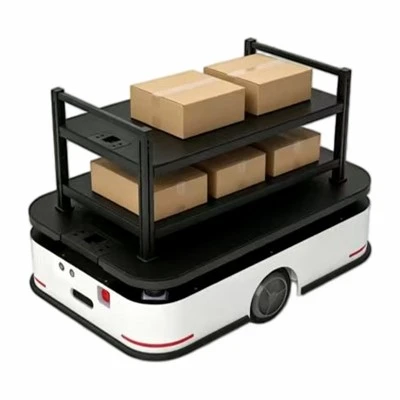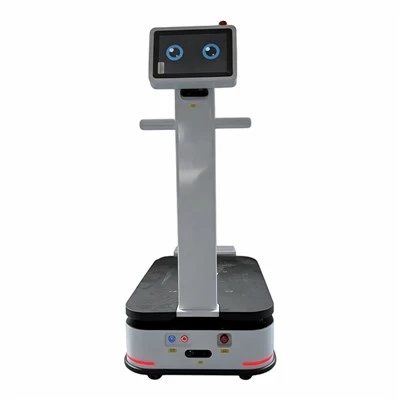

Conveyor lines play a vital role in modern industrial production and logistics systems by facilitating the continuous transport of materials and linking various operational stages. Through mechanical or automated means, they ensure the smooth movement of items between different work units, replacing traditional manual handling and enhancing overall operational efficiency. On production lines, conveyors seamlessly connect processing stages, fostering a more continuous and standardized production process.
In logistics and warehousing, conveyor lines are primarily used for sorting, transferring, and consolidating goods. They integrate with equipment such as automated storage and retrieval systems (AS/RS) and automated guided vehicles (AGVs) to ensure efficient flow from inbound receipt and storage to outbound dispatch. Strategic layout of conveyor routes minimizes manual handling distances, reduces labor intensity, and accelerates the overall speed of logistics operations.
Conveyor lines also enhance production stability and accuracy. Automated operation allows for material transport at a set pace, minimizing errors caused by human intervention and ensuring a consistent production rhythm. Furthermore, integration with sensors and control systems enables automatic routing, precise positioning, and status monitoring, thereby improving operational control.
Conveyor lines offer high adaptability and scalability, allowing for modular design and configuration tailored to specific production needs. They are widely utilized across sectors such as electronics manufacturing, automotive assembly, food processing, and express delivery sorting. With the advancement of smart manufacturing, conveyor lines are increasingly integrating with information systems, evolving toward greater intelligence and flexibility.