
Key technologies for conveyor line systems are primarily found in drive and control systems. Conveyor equipment typically consists of motors, reduction units, and transmission mechanisms; speed regulation and start-stop control are achieved through variable frequency or servo control to meet operational requirements under varying conditions. In automated production environments, the control system must coordinate with host computers or PLCs to manage the unified scheduling and timing of multi-segment conveyor lines, thereby ensuring the continuity and stability of material transport.
Detection and sensing technologies are essential for monitoring the conveying process and identifying materials. Technologies such as photoelectric sensors, proximity switches, and vision inspection systems enable real-time monitoring of material position, quantity, and operational status. When materials reach designated locations or blockages occur, the system provides immediate feedback and executes appropriate adjustments-such as halting transport or diverting flow-to enhance operational safety and reliability.
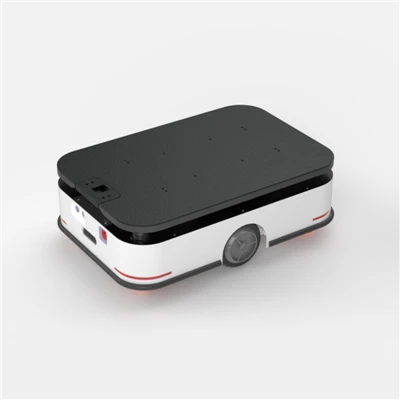
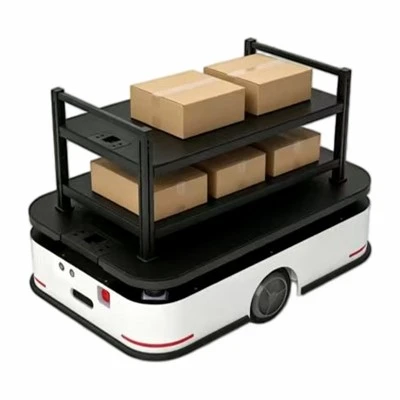
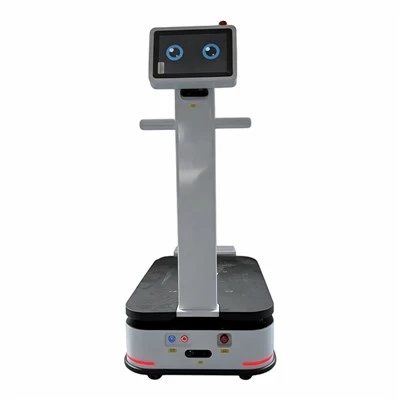
System integration and flexible design represent another critical aspect of conveyor line technology. Modern conveyor lines often operate in coordination with Automated Guided Vehicles (AGVs), automated warehousing systems, and sorting equipment; consequently, designs emphasize modularity and scalability. Through optimized layout of conveying paths and the use of standardized interfaces, seamless integration between different pieces of equipment is achieved, allowing the system to adapt to production and logistics demands characterized by high product variety, small batch sizes, and rapid changeovers.