

Hey there! As a supplier of Stacker Crane Racking, I've got a ton of experience in optimizing warehouse layouts. In this blog post, I'll share some tips and tricks on how to make the most of your stacker crane racking system.
First off, let's talk about understanding your warehouse space. Before you start installing stacker crane racking, you need to take a good look at your warehouse. Measure the length, width, and height of the space. This will help you figure out how many racks you can fit and what kind of stacker cranes will work best. For example, if your warehouse has a low ceiling, you might not be able to use the tallest stacker crane models. But if you've got a high - ceilinged warehouse, you can really maximize vertical storage, which is super important for increasing your storage capacity.
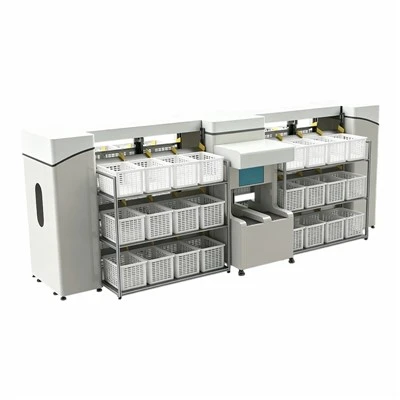
Another crucial aspect is considering your inventory. What kind of items are you storing? Are they small, medium, or large? Do they have special storage requirements, like temperature control or humidity control? If you're storing a lot of small items, you might want to look into the Mini Load Stacker Crane. These are great for handling smaller loads and can be very efficient in a warehouse filled with small parts. On the other hand, if you're dealing with large and heavy items, the Single Mast Stacker Crane or Double Mast Stacker Crane might be more suitable. The double - mast stacker crane, in particular, offers more stability and can handle heavier loads.
Now, let's get into the layout itself. When placing your stacker crane racking, you should aim for a system that allows for smooth material flow. You don't want your workers or the stacker cranes to be constantly bumping into each other. A common approach is to create aisles. The width of the aisles is important. They need to be wide enough for the stacker crane to maneuver easily but not so wide that you're wasting valuable warehouse space. Also, make sure your aisles are straight and well - marked. This will help the stacker cranes operate more efficiently.


It's also important to think about the location of your storage and retrieval points. These are the areas where goods are either put into the racking system or taken out. You should place them in a way that minimizes the distance the stacker crane has to travel. For example, if most of your inbound goods come from a certain side of the warehouse, you could place the corresponding storage areas close to that side. This will reduce the time and energy required to move the goods from the loading area to the storage racks.
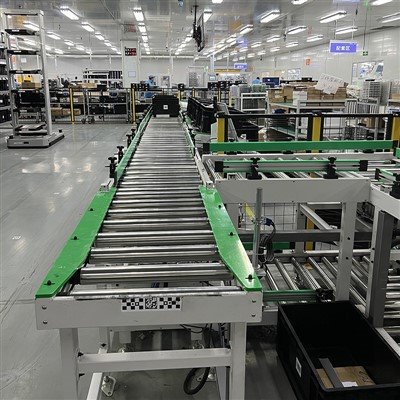
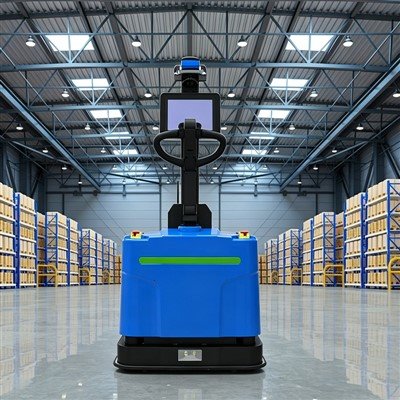
In addition, consider the integration of your stacker crane racking with other warehouse equipment. If you have conveyors, forklifts, or automated guided vehicles (AGVs), you need to make sure they work well together. For example, if you're using conveyors to transport goods to and from the stacker crane racking, you need to align the conveyor height and speed with the stacker crane's operation. This will ensure a seamless transfer of goods and prevent any bottlenecks in the system.
Let's talk about safety. When optimizing the layout of your stacker crane racking, safety should always be a top priority. Make sure there are clear safety zones around the stacker cranes. These zones can prevent workers from accidentally getting in the way of the moving equipment. Also, install proper safety sensors and alarms on the stacker cranes. These can detect obstacles and prevent collisions. And don't forget about providing proper training to your warehouse staff. They should know how to operate and interact with the stacker crane racking system safely.
Furthermore, you should plan for future growth. Your warehouse needs might change over time. You might start storing more products or different types of products. So, when laying out your stacker crane racking, leave some room for expansion. You could design the system in a modular way, so that you can easily add more racks or stacker cranes as needed.
Another thing to keep in mind is the maintenance of the stacker crane racking system. Access for maintenance is crucial. You need to be able to easily reach all parts of the stacker cranes and racks for inspections, repairs, and cleaning. Don't place the racks in a way that blocks access to important components.
When it comes to selecting the right Stacker Crane Racking and Warehouse Storage Rack, you need to work with a reliable supplier. That's where we come in! We've got a wide range of stacker crane racking options to suit different warehouse needs. Whether you need high - density storage, fast retrieval, or something in between, we can help you find the perfect solution.
If you're interested in optimizing your warehouse layout with our stacker crane racking systems, we're here to assist you. We can provide you with detailed consultations, customized solutions, and top - notch after - sales service. Just reach out to us, and we'll start working on making your warehouse more efficient and productive.
In conclusion, optimizing the layout of stacker crane racking in a warehouse is a multi - faceted process. It involves understanding your space, your inventory, and your operational requirements. By following the tips I've shared in this post, you can create a layout that maximizes storage capacity, improves material flow, and ensures the safety of your workers. And if you need any help along the way, don't hesitate to contact us.
References
- Industry best practices for warehouse layout design
- Case studies on successful stacker crane racking implementations