

Hey everyone! As a supplier of Warehouse Belt Conveyors, I often get asked about the waterproof measures for these conveyors when they're used in humid environments. So, I thought I'd share some insights on this topic.
First off, let's understand why waterproofing is so crucial. In humid environments like coastal warehouses or those near large bodies of water, moisture can cause a whole bunch of problems for belt conveyors. It can lead to rust on the conveyor frame and components, damage the belt material over time, and even cause electrical issues if the conveyor has powered parts. This not only shortens the lifespan of the conveyor but also increases maintenance costs and can lead to unexpected downtime.
Material Selection
One of the most fundamental waterproof measures starts with the materials we choose. For the conveyor frame, stainless steel is an excellent option. It's highly resistant to corrosion, which is a major threat in humid conditions. Stainless steel frames can withstand the constant exposure to moisture without rusting or deteriorating quickly. We use high - grade stainless steel in our Warehouse Belt Conveyor to ensure long - term durability.
When it comes to the conveyor belt, we opt for materials that are naturally water - resistant. Rubber belts with a special waterproof coating are a popular choice. These coatings act as a barrier, preventing water from seeping into the belt and causing damage. Some belts are also made from synthetic materials that have inherent water - repellent properties. This helps to keep the belt in good condition, reducing the risk of stretching, cracking, or other forms of degradation due to moisture.
Sealing and Enclosure
Proper sealing is another key aspect of waterproofing. All joints, seams, and openings in the conveyor need to be sealed tightly. We use high - quality silicone gaskets and sealants to prevent water from entering the internal components of the conveyor. This includes sealing around the bearings, motors, and control panels.
In some cases, we recommend enclosing the conveyor in a weather - proof housing. This is especially useful in extremely humid or wet environments. The enclosure can be made of materials like fiberglass or aluminum, which are both lightweight and weather - resistant. The housing not only protects the conveyor from direct contact with water but also shields it from other environmental factors like dust and debris.
Drainage Systems
Installing a good drainage system is essential for a warehouse belt conveyor in a humid environment. We design the conveyor with a slight slope to allow water to drain off easily. Additionally, we can incorporate built - in drainage channels along the sides of the conveyor. These channels collect the water and direct it away from the conveyor, preventing water from pooling on the belt or in the conveyor structure.
Some conveyors also have drip trays underneath to catch any excess water that might still find its way past the initial defenses. These trays can be emptied regularly to ensure continuous water removal.
Regular Maintenance and Inspection
Even with all the waterproof measures in place, regular maintenance and inspection are still necessary. We advise our customers to perform daily visual checks of the conveyor. Look for signs of water damage, such as rust spots, water stains on the belt, or any unusual moisture inside the enclosure.
Periodically, we recommend a more in - depth inspection. This includes checking the integrity of the seals, the condition of the belt, and the functionality of the drainage system. If any issues are found, they should be addressed immediately to prevent further damage.
Comparing with Other Conveyor Types
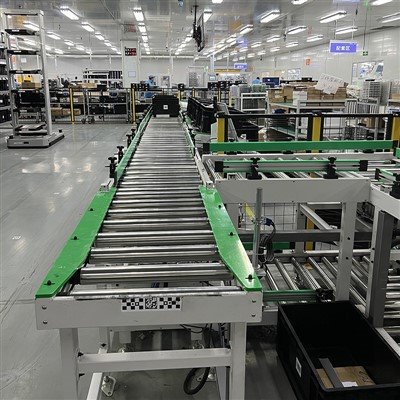
It's interesting to compare the waterproof requirements of warehouse belt conveyors with other types of conveyors, like Warehouse Roller Conveyor, Powered Roller Conveyor, and Gravity Roller Conveyor. Roller conveyors have their own waterproofing challenges. For example, the rollers need to be well - protected from water to prevent bearing damage.
In a warehouse belt conveyor, the focus is more on protecting the belt and the overall structure. However, many of the waterproofing principles, like material selection and sealing, apply to all types of conveyors. Each type has its unique design features that need to be taken into account when implementing waterproof measures.
Customization for Different Humid Environments
We understand that not all humid environments are the same. Some may have a high salt content in the air, like coastal areas, while others may just have high humidity without the salt. That's why we offer customized waterproof solutions for our Warehouse Belt Conveyors.


For coastal warehouses, we can use specially treated materials that are more resistant to salt corrosion. We can also increase the thickness of the waterproof coatings on the conveyor components. In areas with just high humidity, we may focus more on efficient drainage and ventilation to keep the conveyor dry.
Conclusion
In conclusion, waterproofing a warehouse belt conveyor in a humid environment is a multi - faceted process. It involves careful material selection, proper sealing and enclosure, a good drainage system, and regular maintenance. As a supplier, we're committed to providing conveyors that can withstand the challenges of humid conditions.
If you're in the market for a warehouse belt conveyor or have existing conveyors that need better waterproofing solutions, feel free to reach out. We're here to help you find the best options for your specific needs. Whether it's a small - scale warehouse or a large industrial facility, we've got the expertise to ensure your conveyor runs smoothly and efficiently in any humid environment.
References
- Conveyor Handbook, Industry Press
- Guide to Waterproofing Industrial Equipment, Engineering Journal