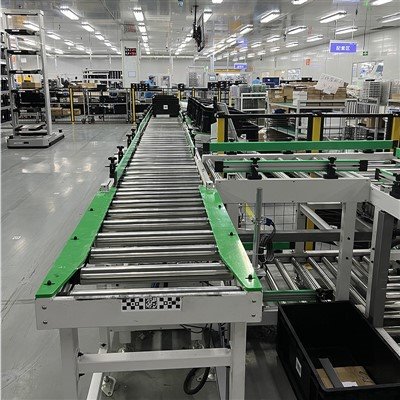


The paper industry has long been a significant part of the global manufacturing sector. With the continuous advancement of technology, the use of automated guided vehicles (AGVs) is becoming an increasingly popular topic across various industries. As a leading AGV supplier, I often get asked if AGVs can be effectively used in the paper industry. In this blog post, I'll explore this question in detail, analyzing the potential applications, benefits, and challenges of implementing AGVs in paper manufacturing and processing facilities.
1. Understanding the Paper Industry's Logistics Needs
The paper industry involves several complex processes, from pulp production to paper manufacturing and finally to packaging. Each stage has its own unique logistics requirements. For example, in pulp production, large - volume raw materials such as wood chips or recycled paper need to be transported from storage areas to processing equipment. In the paper manufacturing stage, huge rolls of paper are produced, which then need to be moved to cutting, coating, or packaging sections. During the packaging process, finished paper products, whether they are sheets or rolls, must be transported to warehouses or loading docks for shipping.
2. Potential Applications of AGVs in the Paper Industry
Raw Material Handling
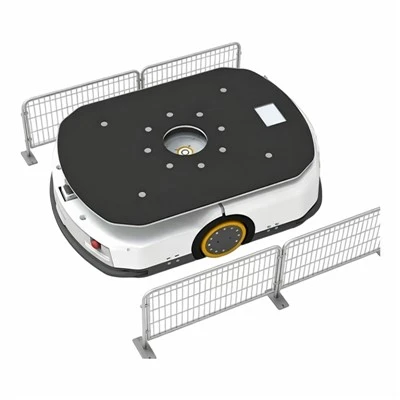
In the paper industry, the initial step is to handle raw materials. AGVs can be used to transport large amounts of wood chips, recycled paper, and chemicals from storage yards or receiving areas to the pulp mills. Our Latent Robort 400KG is well - suited for this task. It can navigate through narrow aisles in storage areas, carrying the required materials precisely to the designated locations in the pulp production line. This reduces the need for manual labor, which is not only time - consuming but also physically demanding.
In - Process Material Movement
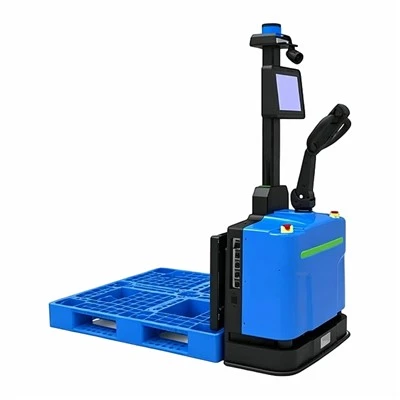
Once the pulp is made, it is transformed into paper rolls. These heavy and bulky paper rolls need to be moved between different processing units. The Automated Handling Robot 1000KG can handle the transportation of these large - scale paper rolls. It can move the rolls from the paper - making machine to the cutting machines, coating stations, or other value - adding processes. This ensures a smooth and continuous flow of production, reducing the chances of bottlenecks and increasing overall efficiency.
Finished Product Packaging and Storage
After the paper products are ready, they need to be packaged and stored. AGVs can play a crucial role in this phase as well. The Rotary Robot 600KG can be used to pick up packaged paper products and place them in the correct storage locations in the warehouse. It can also be employed to transport the products to the loading docks for shipping. This helps in optimizing the warehouse space and streamlining the shipping process.
3. Benefits of Using AGVs in the Paper Industry
Increased Efficiency
AGVs operate 24/7 without breaks, fatigue, or human - related errors. They can follow pre - programmed routes precisely, ensuring that materials and products are delivered to the right place at the right time. This leads to a significant reduction in production cycle times. For example, in a paper mill, the time taken to move paper rolls between different processing steps can be minimized, allowing for more production in a given time frame.
Improved Safety
The paper industry involves handling heavy materials and large machinery. Manual handling of these materials can be dangerous, leading to accidents such as back injuries, falls, or getting caught in machinery. AGVs eliminate the need for human workers to perform these high - risk tasks. They are equipped with various safety sensors, such as laser scanners and bumpers, which can detect obstacles in their path and stop or change their route accordingly.
Cost Savings
Although the initial investment in AGVs can be significant, in the long run, they lead to cost savings. Labor costs are reduced as fewer workers are required for material handling tasks. Additionally, since AGVs are more accurate in material handling, there is less waste due to damaged products during transportation.
Flexibility
AGV systems can be easily reprogrammed to adapt to changes in production layouts or processes. For example, if a paper mill decides to add a new processing unit or change the storage layout, the AGVs can be reprogrammed to follow the new routes, ensuring that the logistics system remains efficient.
4. Challenges of Implementing AGVs in the Paper Industry
High Initial Investment
The cost of purchasing, installing, and commissioning an AGV system can be substantial. This includes the cost of the AGVs themselves, the software for navigation and control, as well as any infrastructure modifications required, such as installing magnetic strips or setting up Wi - Fi networks for communication. However, as mentioned earlier, the long - term savings in labor and increased efficiency can offset this initial cost.
Integration with Existing Systems
Paper mills often have existing conveyor systems, cranes, and other material - handling equipment. Integrating AGVs with these existing systems can be a complex task. It requires careful planning and coordination to ensure that the AGVs can work seamlessly with the old equipment. For example, interfaces need to be developed to allow the AGVs to communicate with the conveyor systems to transfer materials smoothly.
Maintenance and Technical Support
AGVs are complex pieces of machinery that require regular maintenance. Technical support is also necessary in case of breakdowns or system failures. Paper industry managers need to ensure that they have a team of trained technicians or access to external technical support to keep the AGV system running smoothly.
5. Our AGV Solutions for the Paper Industry
We offer a range of AGV products that are specifically designed to meet the needs of the paper industry. In addition to the previously mentioned AGVs, our Automated Guided Vehicle 400KG and Jacking Robot 400KG can also be customized for different applications in the paper industry. These vehicles are built with high - quality materials and advanced technology, ensuring reliability and long - term performance.
6. Conclusion: The Future of AGVs in the Paper Industry
In conclusion, automated guided vehicles can certainly be used in the paper industry. Despite the challenges, the benefits of increased efficiency, improved safety, cost savings, and flexibility make them a valuable investment. As technology continues to evolve, we expect AGVs to become even more integrated into the paper manufacturing process, helping paper mills to become more competitive in the global market.


If you're a paper industry professional interested in exploring how our AGV solutions can enhance your operations, we encourage you to reach out to us for a detailed consultation. We are committed to providing you with the best - in - class AGV systems and support services.
References
- "Automation in the Paper Industry: Trends and Opportunities." Industry Report, Global Manufacturing Insights.
- "AGV Technology: Principles and Applications." Robotics Journal, Vol. 32, No. 4.
- "Benefits of Implementing AGVs in Manufacturing." Journal of Industrial Automation, Vol. 15, No. 2.