

Improving the accessibility of items in a warehouse storage rack is a crucial aspect of optimizing warehouse operations. As a Warehouse Storage Rack supplier, I've witnessed firsthand how efficient accessibility can significantly enhance productivity, reduce labor costs, and improve overall customer satisfaction. In this blog, I'll share some practical strategies and solutions that can help you achieve better accessibility in your warehouse.

Understanding the Importance of Accessibility
Before diving into the solutions, it's essential to understand why accessibility is so important. In a warehouse, the ability to quickly and easily locate, retrieve, and store items can have a profound impact on the bottom line. Poor accessibility can lead to longer picking times, increased labor costs, and even lost sales due to stockouts or delays in order fulfillment.
On the other hand, a well-organized and accessible warehouse can improve inventory management, reduce the risk of damage to goods, and enhance the overall efficiency of your operations. By making it easier for your employees to access the items they need, you can increase productivity, improve accuracy, and ultimately, boost your profitability.
Strategies for Improving Accessibility
1. Optimize Rack Layout
The layout of your warehouse storage racks plays a crucial role in determining the accessibility of your items. A well-designed layout can minimize travel time, reduce congestion, and improve the flow of goods within the warehouse. Here are some tips for optimizing your rack layout:
- Use a logical aisle configuration: Ensure that your aisles are wide enough to allow for easy movement of forklifts and other material handling equipment. Consider using a perpendicular or parallel aisle configuration, depending on the size and shape of your warehouse.
- Group similar items together: Organize your items by category, size, or frequency of use. This will make it easier for your employees to locate the items they need and reduce the time spent searching for them.
- Implement a slotting system: A slotting system involves assigning specific locations for each item in your warehouse. This can help you optimize the use of your storage space and improve the accessibility of your items.
2. Choose the Right Rack Type
There are several types of warehouse storage racks available, each with its own advantages and disadvantages. Choosing the right rack type for your specific needs is essential for improving accessibility. Here are some common rack types and their applications:
- Selective Racks: Selective racks are the most common type of warehouse storage rack. They offer direct access to each pallet, making them ideal for warehouses with a high turnover of goods.
- Drive-In Racks: Drive-in racks are designed to maximize storage density by allowing forklifts to drive directly into the rack structure. They are suitable for high-volume storage of similar products.
- Push-Back Racks: Push-back racks use a system of nested carts to store pallets. They offer a high level of density and are ideal for warehouses with limited space.
- Pallet Flow Racks: Pallet flow racks use gravity to move pallets from the loading end to the picking end. They are suitable for high-volume storage of fast-moving products.
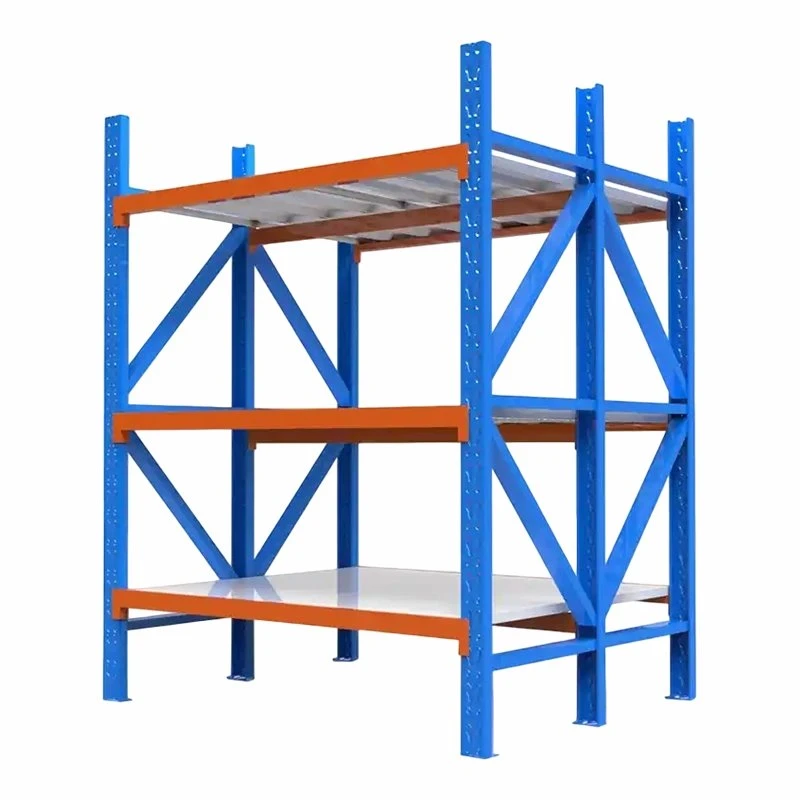
As a Warehouse Storage Rack supplier, I can help you choose the right rack type for your specific needs. You can learn more about our Warehouse Storage Rack solutions by visiting our website.
3. Implement Automation
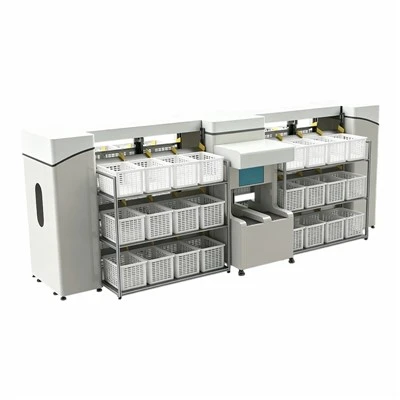
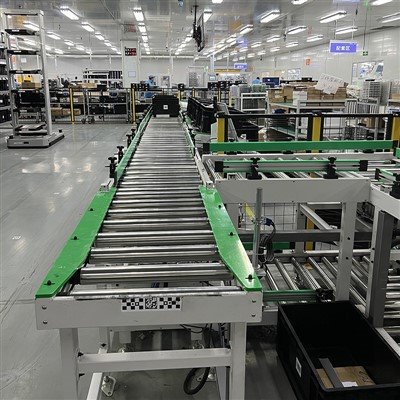
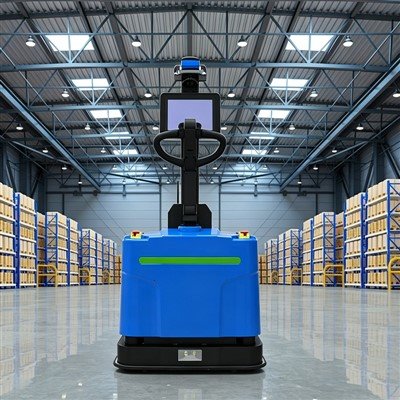
Automation can significantly improve the accessibility of items in a warehouse storage rack. Automated storage and retrieval systems (AS/RS) use computer-controlled equipment to store and retrieve items from the racks. They can offer several benefits, including:
- Increased speed and accuracy: AS/RS can operate at high speeds and with a high degree of accuracy, reducing the time and effort required to locate and retrieve items.
- Improved storage density: AS/RS can be designed to maximize the use of vertical space, allowing you to store more items in a smaller footprint.
- Enhanced safety: AS/RS can reduce the risk of accidents and injuries associated with manual material handling.
There are several types of AS/RS available, including Double Mast Stacker Crane, Single Mast Stacker Crane, and Mini Load Stacker Crane. Each type of AS/RS has its own advantages and disadvantages, and the choice will depend on your specific needs and budget.
4. Use Barcode and RFID Technology
Barcode and RFID technology can provide real-time visibility into the location and status of your items in the warehouse. By tagging your items with barcodes or RFID tags, you can track their movement through the warehouse and quickly locate them when needed. This can significantly improve the accessibility of your items and reduce the time spent searching for them.
Barcode scanners and RFID readers can be integrated with your warehouse management system (WMS) to provide accurate and up-to-date inventory information. This can help you optimize your inventory levels, reduce the risk of stockouts, and improve the overall efficiency of your operations.
5. Train Your Employees
Proper training is essential for ensuring that your employees are able to access the items in your warehouse storage racks safely and efficiently. Provide your employees with comprehensive training on the use of your material handling equipment, rack layout, and inventory management system. This will help them understand the importance of accessibility and how to perform their tasks effectively.
In addition to technical training, it's also important to provide your employees with training on safety procedures and best practices. This will help reduce the risk of accidents and injuries in the warehouse and ensure that your employees are able to work in a safe and healthy environment.
Conclusion
Improving the accessibility of items in a warehouse storage rack is a complex but achievable goal. By implementing the strategies and solutions outlined in this blog, you can optimize your rack layout, choose the right rack type, implement automation, use barcode and RFID technology, and train your employees to improve the accessibility of your items and enhance the overall efficiency of your warehouse operations.
As a Warehouse Storage Rack supplier, I'm committed to helping you achieve your goals. If you have any questions or would like to learn more about our products and services, please don't hesitate to contact me. I look forward to the opportunity to discuss your specific needs and provide you with a customized solution that meets your requirements.
References
- Tompkins, J. A., White, J. A., Bozer, Y. A., & Tanchoco, J. M. A. (2010). Facilities Planning (4th ed.). Wiley.
- Ballou, R. H. (2004). Business Logistics/Supply Chain Management (5th ed.). Pearson Prentice Hall.
- Gu, J., Goetschalckx, M., & McGinnis, L. F. (2007). Research on warehouse operation: A comprehensive review. European Journal of Operational Research, 177(1), 1-21.