

Integrating a double mast stacker crane with an automated warehouse system can be a game - changer for businesses looking to boost efficiency and streamline operations. As a supplier of Double Mast Stacker Cranes, I've seen firsthand how this technology can revolutionize a warehouse. In this blog, I'll walk you through the key steps and considerations for a successful integration.
Understanding the Basics
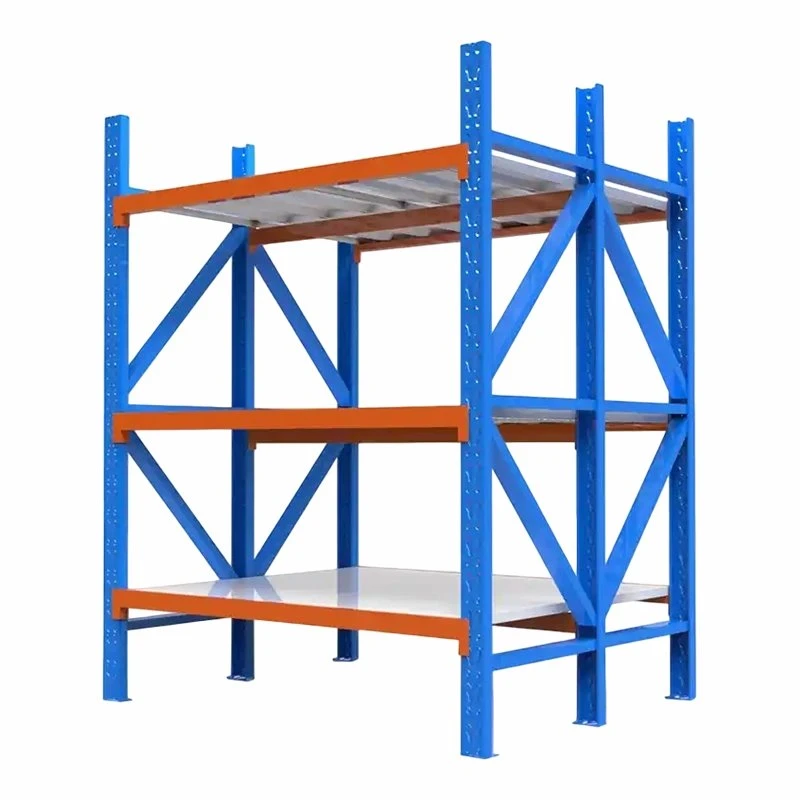
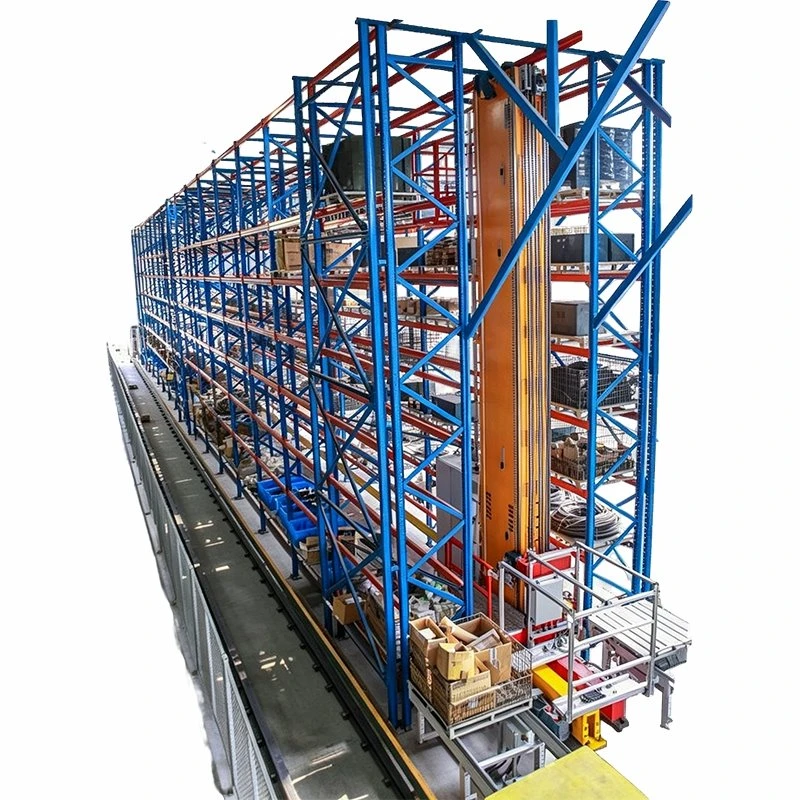
First off, let's talk about what a double mast stacker crane is. It's a type of automated storage and retrieval system (AS/RS) that uses two vertical masts for stability and support. These cranes are designed to move up and down the aisles of a warehouse, picking and placing items on Warehouse Storage Rack with precision.
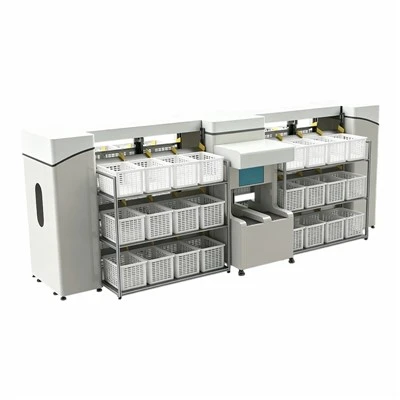
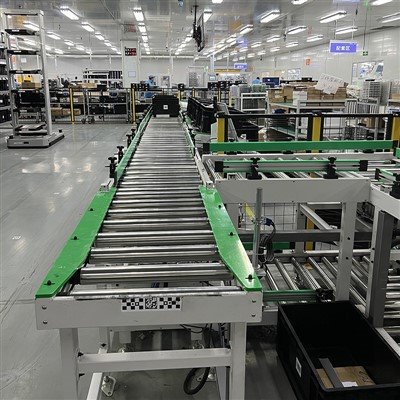
The automated warehouse system, on the other hand, is a comprehensive setup that includes software, conveyor systems, and other equipment to manage the flow of goods in and out of the warehouse. The goal of integrating the double mast stacker crane with this system is to create a seamless and efficient operation.
Assessing Your Warehouse Needs
Before you start the integration process, it's crucial to assess your warehouse needs. You need to know the size of your warehouse, the types of products you store, and the volume of goods you handle on a daily basis. This information will help you determine the right size and capacity of the double mast stacker crane for your operation.
For example, if you have a large warehouse with high - density storage requirements, a Double Mast Stacker Crane with a high lifting capacity and fast operating speed might be the best choice. On the other hand, if you have a smaller warehouse with a lower volume of goods, a Mini Load Stacker Crane could be more suitable.
Planning the Layout
Once you've determined your needs, the next step is to plan the layout of your warehouse. This includes deciding where to place the double mast stacker crane, the Stacker Crane Racking, and other equipment.
The layout should be designed to optimize the movement of the crane and minimize the distance it needs to travel to pick and place items. You also need to consider factors such as aisle width, clearance height, and the location of loading and unloading areas.
Selecting the Right Software
The software is the brain of the automated warehouse system. It controls the movement of the double mast stacker crane, manages inventory, and coordinates the flow of goods. When selecting software, you need to choose a system that is compatible with your double mast stacker crane and can be customized to meet your specific needs.
Look for software that offers features such as real - time inventory tracking, order management, and automated reporting. It should also be easy to use and integrate with other systems in your warehouse, such as your enterprise resource planning (ERP) system.
Installation and Commissioning
Once you've planned the layout and selected the software, it's time to install the double mast stacker crane and other equipment. This is a complex process that requires the expertise of trained technicians.
During the installation, the crane needs to be carefully aligned with the Stacker Crane Racking to ensure smooth operation. The software also needs to be configured and tested to make sure it works properly.
After the installation is complete, a commissioning process is carried out to verify that the system is working as intended. This includes testing the crane's movement, the software's functionality, and the integration with other systems in the warehouse.
Training Your Staff
Even with the most advanced technology, your warehouse operation won't be successful without a well - trained staff. It's important to provide training to your employees on how to operate the double mast stacker crane and the automated warehouse system.
Training should cover topics such as safety procedures, equipment operation, and software usage. It's also a good idea to provide ongoing training to keep your staff up - to - date with the latest technology and best practices.
Maintenance and Support
Once the system is up and running, regular maintenance is essential to keep it in good working condition. This includes inspecting the crane for wear and tear, lubricating moving parts, and checking the software for updates.
As a supplier, we offer comprehensive maintenance and support services to ensure that your double mast stacker crane and automated warehouse system operate smoothly. Our team of experts is available to provide technical assistance and troubleshooting whenever you need it.
Benefits of Integration
Integrating a double mast stacker crane with an automated warehouse system offers several benefits. Firstly, it improves efficiency by reducing the time it takes to pick and place items. The crane can operate 24/7, which means you can increase your throughput and meet customer demands more quickly.
Secondly, it enhances accuracy. The automated system ensures that items are stored and retrieved in the correct location, reducing the risk of errors and improving inventory management.
Finally, it improves safety. The double mast stacker crane is designed to operate in a controlled environment, reducing the risk of accidents and injuries in the warehouse.
Conclusion
Integrating a double mast stacker crane with an automated warehouse system is a complex but rewarding process. By following the steps outlined in this blog, you can ensure a successful integration that will improve the efficiency, accuracy, and safety of your warehouse operation.
If you're interested in learning more about our Double Mast Stacker Cranes or the integration process, feel free to reach out. We're here to help you take your warehouse to the next level.
References
- Industry reports on automated warehouse systems
- Technical manuals for double mast stacker cranes
- Case studies of successful warehouse integrations