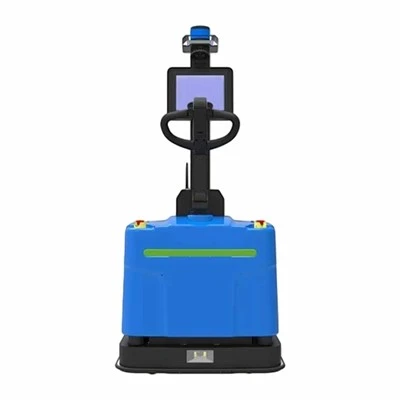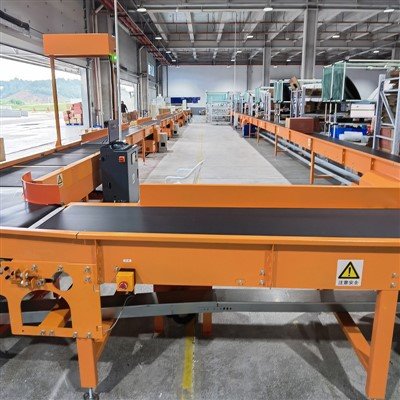


As a supplier of automatic pallet forklifts, I understand the significance of seamless connection and coordination between automatic pallet forklifts and conveyors in modern warehousing and logistics operations. This article aims to explore the various methods of connection and coordination between these two key components, highlighting their benefits and practical applications.
1. Physical Connection Methods
1.1 Docking Stations
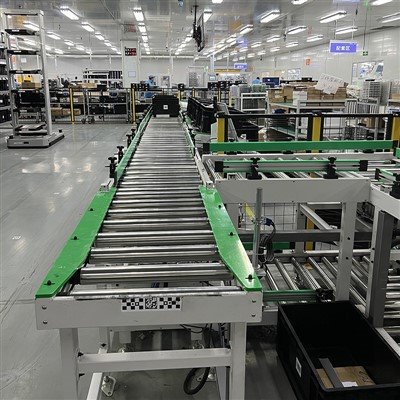
Docking stations serve as a physical interface between automatic pallet forklifts and conveyors. These stations are designed to precisely align the forklift with the conveyor, ensuring smooth transfer of pallets. The forklift approaches the docking station, where sensors and guiding mechanisms ensure accurate positioning. Once docked, the pallet can be transferred directly from the forklift to the conveyor or vice versa. This method is highly efficient and reduces the risk of pallet misalignment or damage during transfer.
1.2 Transfer Tables
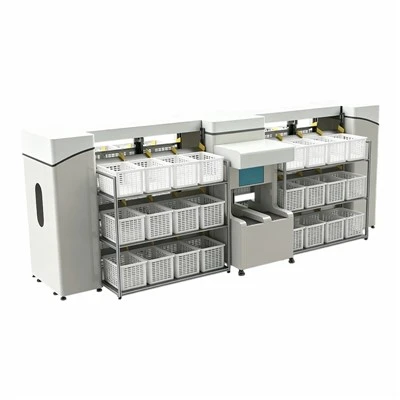
Transfer tables are another effective physical connection method. They act as an intermediate platform between the forklift and the conveyor. The forklift places the pallet on the transfer table, and then the table moves the pallet to the conveyor. This approach allows for more flexibility in terms of pallet orientation and can accommodate different types of forklifts and conveyors. Transfer tables can be equipped with automatic locking mechanisms to secure the pallet during transfer, enhancing safety.
2. Communication and Coordination Methods
2.1 Wireless Communication
Wireless communication technologies, such as Wi-Fi and Bluetooth, play a crucial role in coordinating the operations of automatic pallet forklifts and conveyors. The forklift and the conveyor are equipped with communication devices that exchange real - time information, such as the position of the forklift, the status of the conveyor (e.g., running, stopped), and the availability of pallets. This enables the forklift to approach the conveyor at the right time and in the right position, ensuring efficient pallet transfer. For example, when the conveyor is full or blocked, it can send a signal to the forklift to wait or change its route.
2.2 Centralized Control Systems
Centralized control systems are used to manage the overall operation of automatic pallet forklifts and conveyors. These systems collect data from all connected devices and make decisions based on pre - defined rules and algorithms. For instance, the control system can schedule the movement of forklifts to match the flow of pallets on the conveyor, ensuring a continuous and efficient material handling process. It can also monitor the performance of both the forklifts and the conveyors and detect any potential issues in real - time.
3. Integration of Software Systems
3.1 Warehouse Management Systems (WMS)
Warehouse management systems are often integrated into the operation of automatic pallet forklifts and conveyors. The WMS stores information about inventory, pallet locations, and order processing. It can communicate with the forklift and conveyor control systems to optimize the movement of pallets. For example, when a new order is received, the WMS can direct the forklift to pick up the required pallets from the storage area and transfer them to the conveyor for shipment. This integration improves inventory accuracy and reduces operational costs.
3.2 Forklift Fleet Management Software
Forklift fleet management software provides detailed information about the status and performance of each forklift in the fleet. It can be integrated with the conveyor control system to ensure coordinated operation. For example, the software can schedule maintenance for the forklifts during periods of low conveyor activity, minimizing disruption to the overall material handling process. It can also analyze the usage patterns of the forklifts and conveyors to identify areas for improvement.
4. Benefits of Connection and Coordination
4.1 Increased Efficiency
By connecting and coordinating automatic pallet forklifts and conveyors, the overall efficiency of the warehousing and logistics operation can be significantly improved. The seamless transfer of pallets between the forklift and the conveyor reduces waiting times and eliminates manual handling, leading to faster order processing and higher throughput.
4.2 Improved Safety
Proper connection and coordination minimize the risk of accidents and collisions. The use of sensors and communication systems ensures that the forklift and the conveyor operate in harmony, reducing the chances of pallet damage and worker injuries.
4.3 Cost Savings
Efficient operation and reduced downtime result in cost savings. With fewer manual operations and better utilization of resources, companies can save on labor costs, energy consumption, and equipment maintenance.
5. Our Automatic Pallet Forklift Solutions
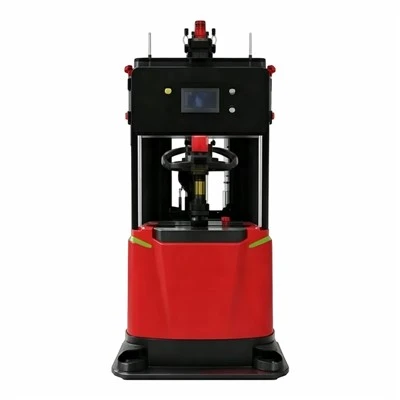
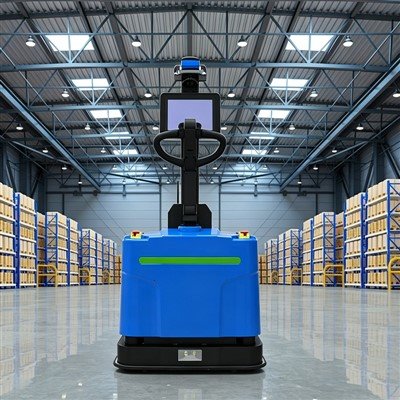
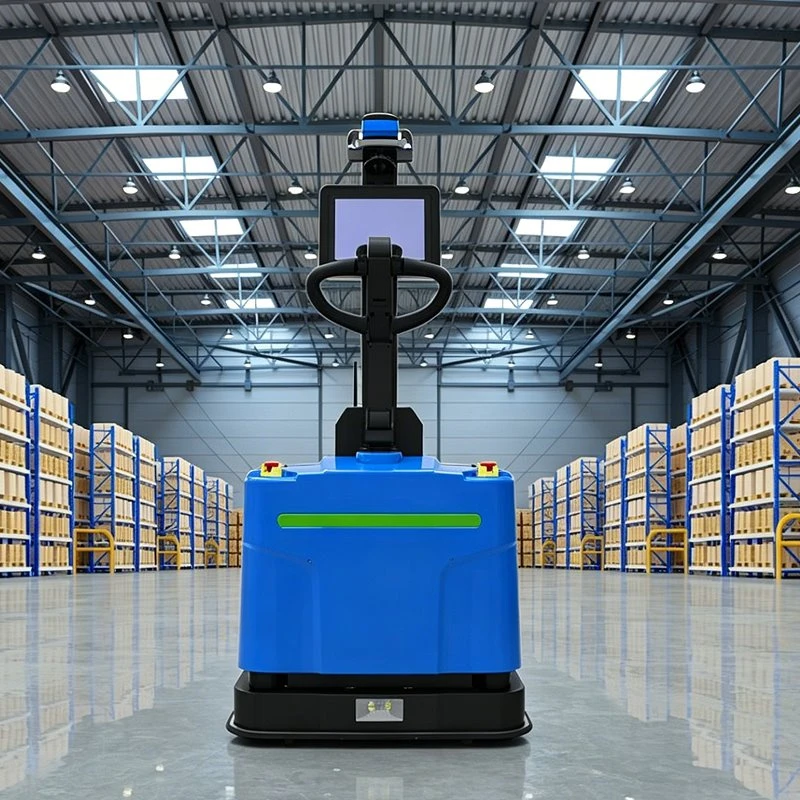
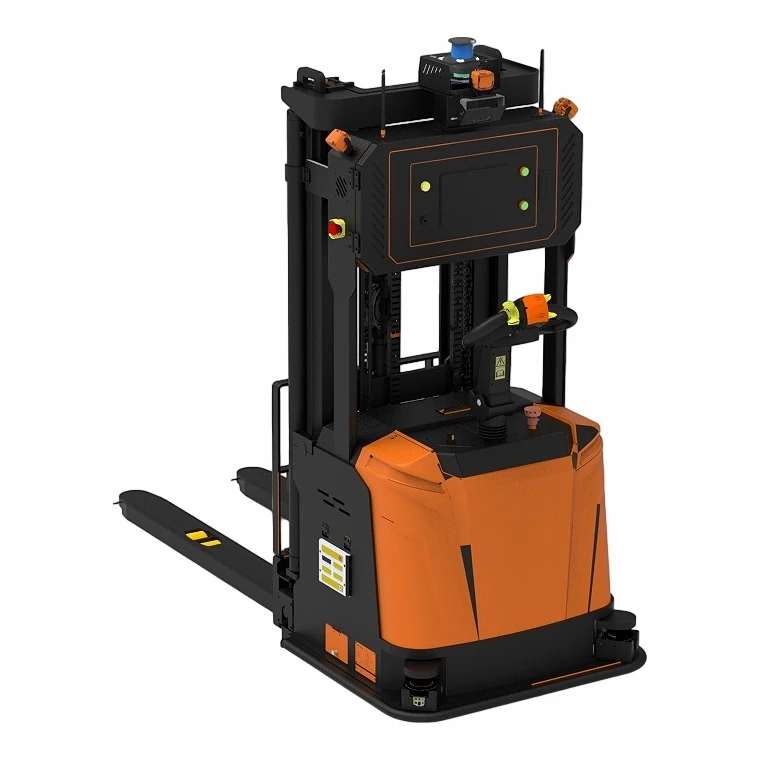
At our company, we offer a range of high - quality automatic pallet forklifts, including Warehouse Driverless Forklift, Warehouse Automated Stacker, Automated Forklift Robert, Smart Automated Forklift, and Automatic Dual - Mode Pallet Forklift. These forklifts are designed to be easily integrated with conveyors using the connection and coordination methods mentioned above. Our experienced team can work with you to develop customized solutions that meet your specific warehousing and logistics requirements.
6. Conclusion
The connection and coordination between automatic pallet forklifts and conveyors are essential for the efficient and safe operation of modern warehousing and logistics facilities. Through physical connection methods, communication technologies, software integration, and the use of high - quality equipment, companies can achieve significant improvements in efficiency, safety, and cost savings. If you are looking to enhance your material handling operations, we invite you to contact us to discuss your needs and explore how our automatic pallet forklift solutions can help you.
References
- Johnson, R. (2020). "Modern Warehousing and Logistics: Automating Material Handling". Logistics Press.
- Smith, A. (2021). "Forklift and Conveyor Integration: Best Practices". Industrial Automation Journal.